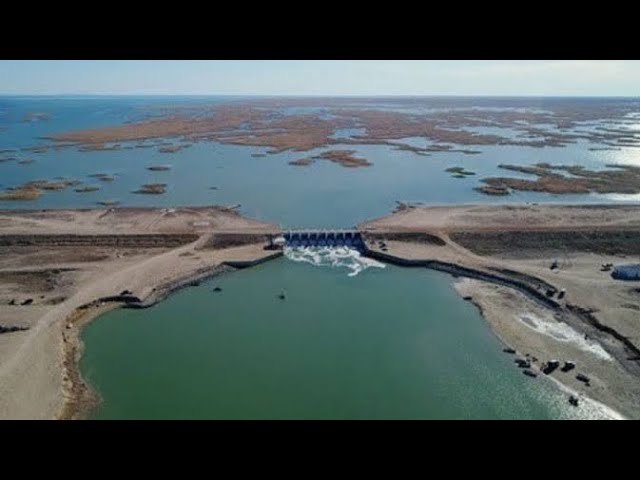
Collapse of the Sardoba Reservoir leads to widespread flooding and significant devastation across the region
Uzbekistan

Infrastructure
Environmental Impact
Disaster Management
3 min read
Updated By: History Editorial Network (HEN)
Published:
Updated:
On May 1, 2020, the Sardoba Reservoir in Uzbekistan experienced a catastrophic collapse, leading to widespread flooding and significant devastation across the region. The incident prompted the evacuation of approximately 111,000 residents, highlighting the scale of the disaster. Recovery efforts are estimated to cost over 1.5 trillion som, reflecting the extensive damage to infrastructure and homes. The impact of the flooding was not confined to Uzbekistan; neighboring Kazakhstan also faced repercussions, as the floodwaters spread across borders, affecting communities and ecosystems. This disaster underscores the vulnerabilities associated with large-scale water management systems in seismically active regions. The Sardoba Reservoir collapse serves as a critical reminder of the importance of rigorous maintenance and monitoring of such infrastructures to prevent future tragedies. As recovery efforts continue, the focus remains on rebuilding affected areas and implementing measures to enhance resilience against similar disasters in the future.
#mooflife
#MomentOfLife
#SardobaReservoir
#UzbekistanFlooding
#DisasterRecovery
#InfrastructureFailure
#SeismicActivity

Explore the Life Moments of
 AI Twin