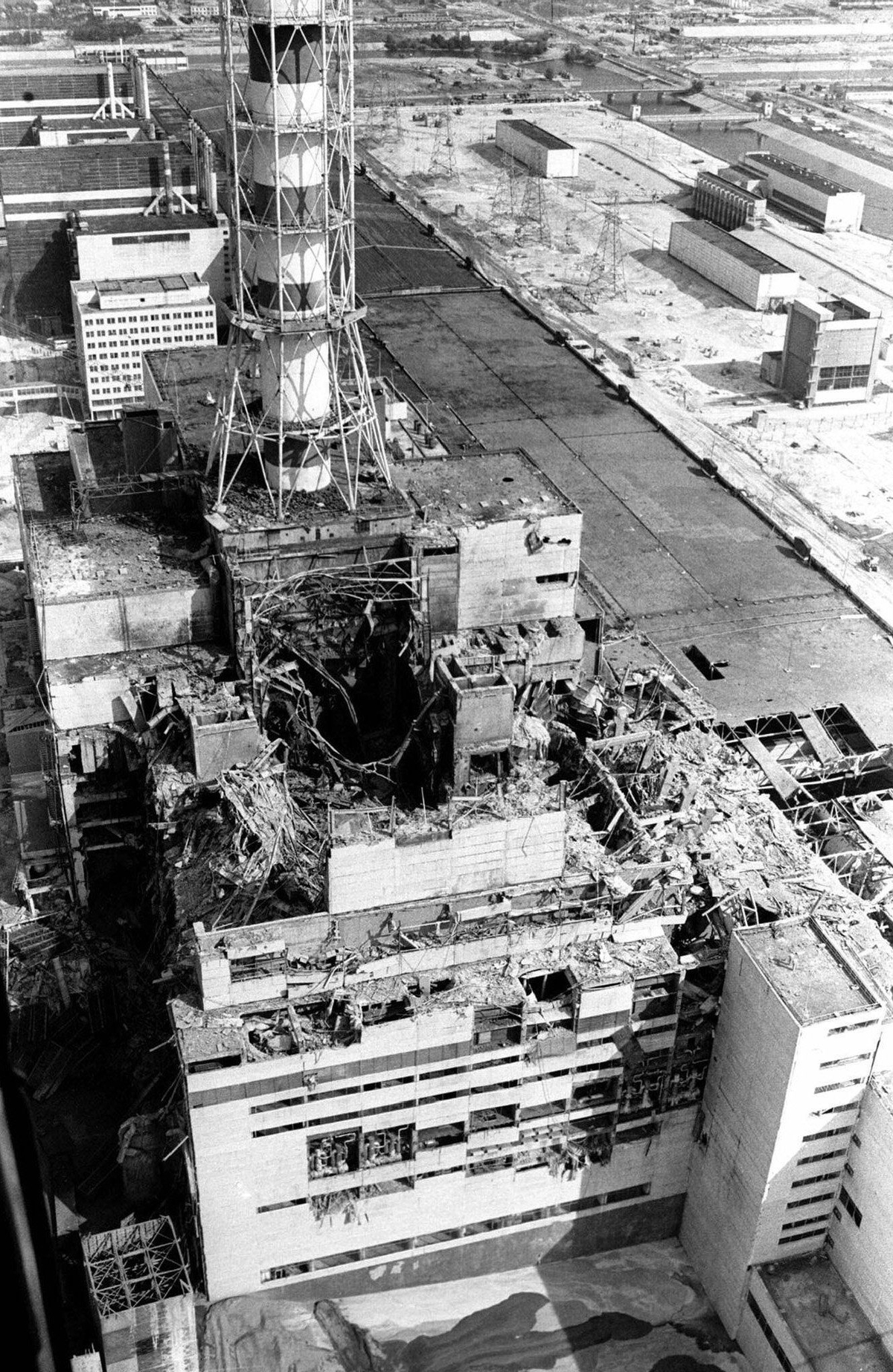
Chernobyl disaster: Catastrophic nuclear accident prompts global response and long-term effects.
United States of America
Science
5 min read
Updated By: History Editorial Network (HEN)
Published:
The Chernobyl nuclear disaster occurred when reactor number four at the Chernobyl Nuclear Power Plant in Ukraine exploded, releasing large quantities of radioactive particles into the atmosphere. This disaster is considered one of the worst nuclear power plant accidents in history. At the time, the plant was situated in the former Soviet Union.
The background leading to the incident involves a safety test being conducted under poorly managed conditions and flawed reactor design. This resulted in explosions and a fire that sent a plume of radioactive fallout across Europe.
The impact was catastrophic. Immediate actions included the evacuation of over 49,000 people from the nearby town of Pripyat, and later, an exclusion zone was established within a 30-kilometer radius around the reactor. The disaster led to acute radiation syndrome in approximately 134 plant workers and emergency responders, resulting in 28 deaths within months. Additionally, the International Atomic Energy Agency (IAEA) reported that thousands of subsequent cancer cases could be linked to the radiation exposure caused by the disaster.
The extensive global response included the involvement of the United Nations (UN). In the ensuing years, the UN recognized the necessity for comprehensive international assistance. The UN spearheaded various recovery and remediation efforts, addressing the health, environmental, and economic impacts. The World Health Organization (WHO) and the United Nations Development Programme (UNDP) played crucial roles in these initiatives, including health monitoring, establishing treatment programs for affected individuals, and supporting socio-economic redevelopment projects in impacted regions.
Efforts to mitigate the disaster's long-term effects included the construction of a sarcophagus to cover the damaged reactor and later the New Safe Confinement structure to prevent further release of radioactive material. These measures aimed to secure the reactor site and protect public health and the environment.
The Chernobyl disaster serves as a stark reminder of the potential risks associated with nuclear energy and underscores the importance of stringent safety protocols and international cooperation in disaster response.
#Chernobyl #NuclearDisaster #UNInvolvement #DisasterResponse #MoofLife #EnvironmentalImpact #HealthImpact #RecoveryEfforts

Explore the Life Moments of
 AI Twin