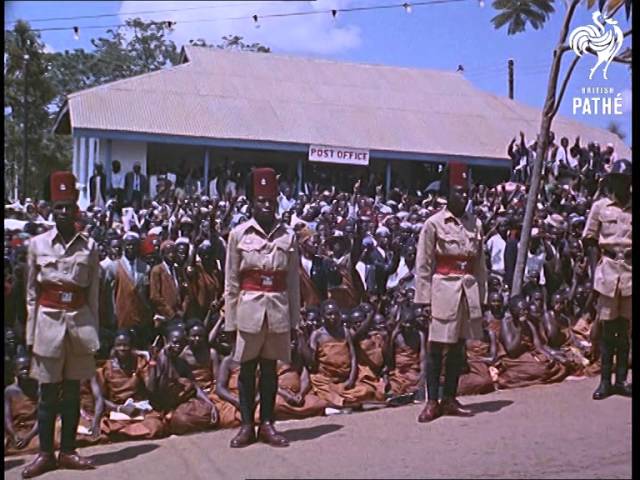
Independence from British Rule
Uganda

Political
Global Trade
5 min read
Updated By: History Editorial Network (HEN)
Published:
Uganda transitioned from British colonial rule to self-governance on October 9, 1962. Established as a British protectorate in 1894, Uganda’s path to self-rule was marked by gradual political liberalization. A series of constitutional reforms in the mid-20th century facilitated the formation of internal self-government. The Legislative Council, initially devoid of African representation, underwent several changes, eventually including a majority of African members.
The Uganda National Congress (UNC), formed in 1952, played a pivotal role in advocating for self-rule, promoting nationalism, and opposing colonial policies. The Uganda Peoples Congress (UPC), led by Milton Obote, emerged in 1960 and became a significant force in Ugandan politics. Strategic alliances, such as the UPC’s coalition with the Kabaka Yekka (KY), a party representing the traditional kingdom of Buganda, were instrumental in forming a government poised to lead Uganda post-independence.
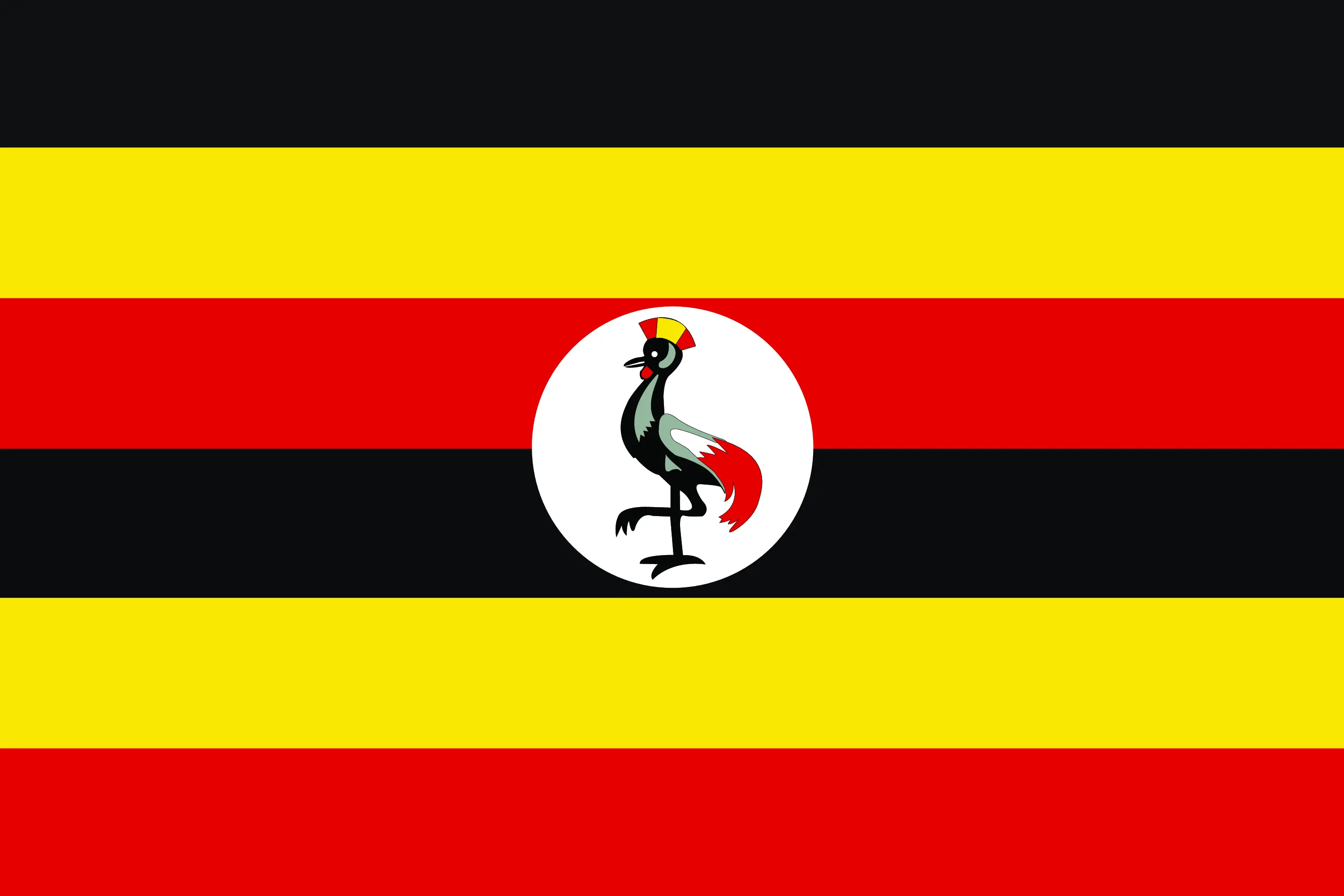
The end of colonial rule was formalized with a peaceful transfer of power executed through well-organized ceremonies attended by dignitaries from diverse nations. Milton Obote, the leader of the multiparty coalition, became the first Prime Minister, marking the beginning of an era of indigenous leadership. The national flag of Uganda was raised at the ceremonial grounds, symbolizing the country's sovereignty.
Independence brought about extensive socio-economic challenges and opportunities for Uganda. The new government faced the task of unifying a nation with diverse ethnic groups and regional interests while promoting economic development, educational expansion, and infrastructural growth. The euphoria of gaining self-governance was tempered by impending social and political restructuring necessary to steer the nation toward stability and progress.
Uganda’s emergence as an independent state contributed to the broader narrative of decolonization across Africa. It joined the ranks of other African nations dismantling colonial governance structures in pursuit of self-determination and national identity. Despite ensuing political challenges, independence was a crucial step towards defining Uganda’s path in the global arena.
#UgandaIndependence #Decolonization #PoliticalTransition #UgandanHistory #MoofLife
Primary Reference
Uganda gained independence but still retains colonialist rulers ...
Explore the Life Moments of
 AI Twin