Arab Traders Arrive in Uganda
Uganda

TradeImpact
CulturalExchange
5 min read
Updated By: History Editorial Network (HEN)
Published:
The arrival of Arab traders in Uganda marked a pivotal point in the region's history, bringing about significant economic, cultural, and social transformations. Before this period, Uganda's primary interactions were primarily regional, confined to relations with neighboring tribes and the broader Great Lakes region. The introduction of Arab traders opened up new avenues for trade and cultural exchanges.
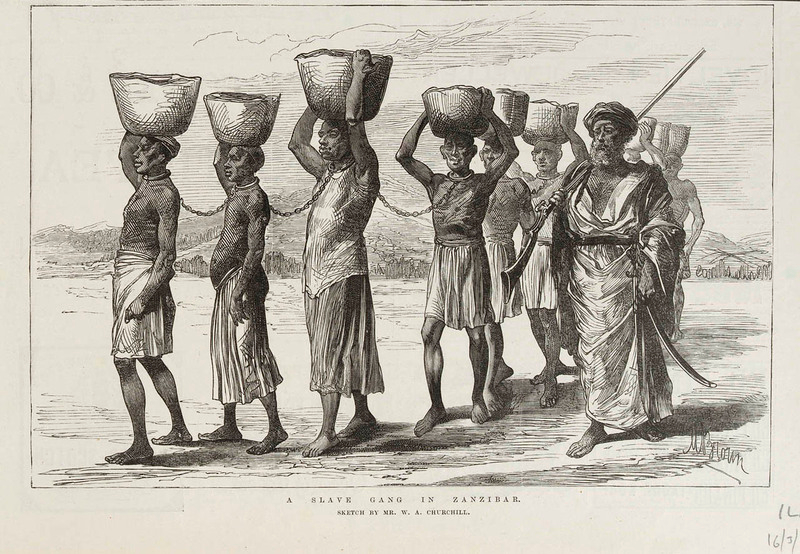
Arab traders, primarily from Zanzibar and the coastal regions of present-day Tanzania, made their way inland, extending trade networks and establishing new commercial routes. They were primarily interested in the lucrative ivory and slave trades. The Buganda Kingdom, strategically located along the shores of Lake Victoria, became a focal point for these activities. Kabaka Suna II, the reigning monarch, saw an opportunity to bolster the kingdom's wealth and power through these new trading relationships. As a result, the Kingdom facilitated the integration of Arab traders into the local economy, offering protection and support in exchange for exotic goods and services.
The introduction of firearms into Uganda was one of the most profound impacts of this new trade relationship. These weapons altered the balance of power, both within the Buganda Kingdom and in its interactions with neighboring tribes. It fortified the Buganda military, enabling the kingdom to expand its territory and exert greater influence over the region.
Alongside trade and military power, the Arab traders also influenced the religious and cultural landscape of Uganda. Islam began to spread, as some community members converted, leading to the establishment of mosques and Islamic educational institutions. The exchange of ideas and customs enriched Ugandan society, contributing to a more diverse cultural milieu.
This period also witnessed the importation of new goods such as textiles, spices, and beads, which were previously unavailable. These goods not only enhanced the local economy but also introduced new tastes and fashions, subtly altering the everyday lives of the Ugandan people.
The interactions between Arab traders and the people of Uganda laid the groundwork for future economic and cultural developments. Although these initial encounters were marked by both cooperation and exploitation, they undeniably played a crucial role in shaping the historical trajectory of the region.
#TradeImpact #CulturalExchange #HistoricUganda #EconomicTransformation #MoofLife
Primary Reference
David Livingstone - Wikipedia

Explore the Life Moments of
 AI Twin