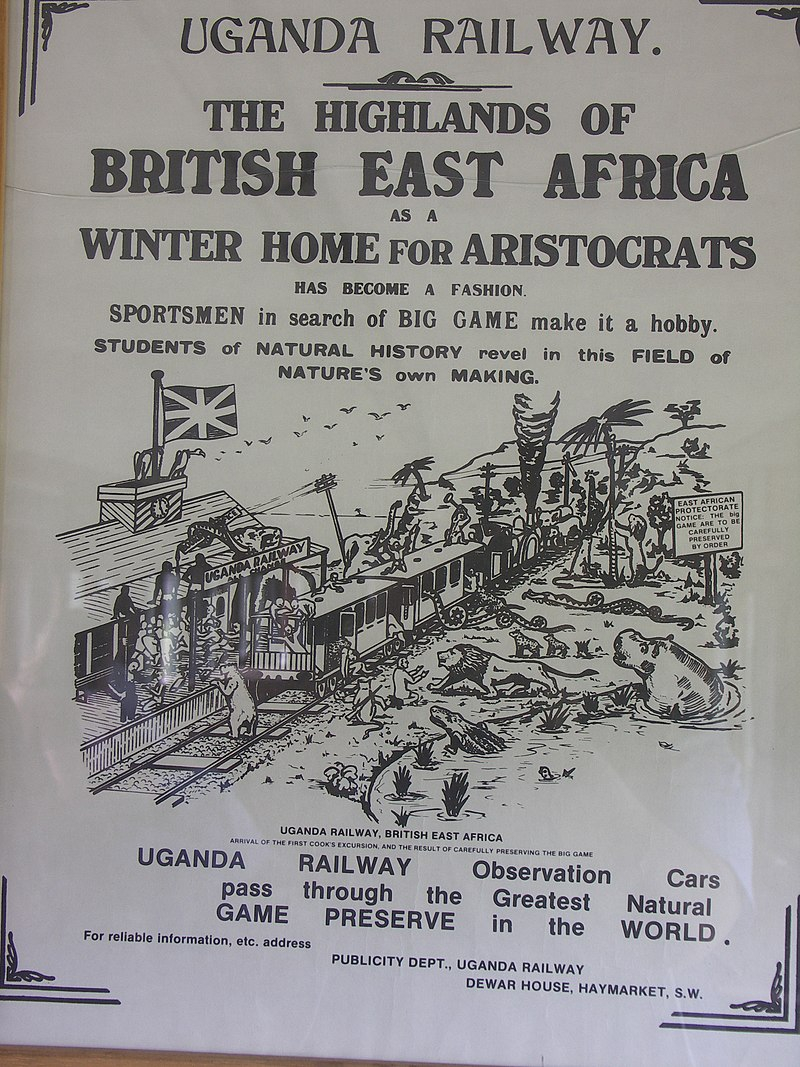
Building a Railway to Connect Kenya's Coast to Lake Victoria
Uganda

Infrastructure Development
5 min read
Updated By: History Editorial Network (HEN)
Published:
The Construction of the Uganda Railway marked a pivotal development in the region's infrastructure, connecting the Kenyan coast to Lake Victoria. Initiated by the British colonial administration, this extensive project aimed to open up the interior for commerce, facilitate the movement of goods, and consolidate British presence in East Africa. The railway began at the port city of Mombasa on the Indian Ocean and stretched inland towards Lake Victoria, ultimately connecting to major inland towns.
One significant aspect of the project was the involvement of a large labor force, primarily imported from British India. Around 32,000 laborers were employed, many of whom faced harsh working conditions, diseases, and wildlife threats, notably from lions in the Tsavo area. Despite these challenges, their efforts were instrumental in maintaining the pace of construction.
The railway stretched over 660 miles (1,060 kilometers) and required substantial engineering feats, including the construction of bridges, tunnels, and viaducts, particularly in the challenging terrains of the Rift Valley. Thousands of tons of steel rails, sleepers, and other materials were transported to the region to facilitate the construction.
The impact of the railway was multifaceted. Economically, it facilitated the export of agricultural produce, like coffee and tea, and natural resources, boosting the economic profile of both Kenya and Uganda. It opened up previously inaccessible areas for settlement and development. Politically, it strengthened British administrative control by providing a reliable means of movement for colonial officials and military personnel.
The railway also had social implications, such as contributing to significant demographic changes. The influx of Indian laborers led to a permanent segment of the Indian community in East Africa, particularly in Kenya and Uganda, shaping the region’s cultural and social landscape.
This infrastructural venture was a cornerstone in the economic transformation of East Africa, setting the stage for further developments. Despite its controversial aspects, the Uganda Railway remains a historical landmark symbolizing industrial progress in the region.
#MoofLife #InfrastructureDevelopment #EconomicGrowth #ColonialHistory #RailwayConstruction #EastAfrica
Primary Reference
Uganda Railway - Wikipedia

Explore the Life Moments of
 AI Twin