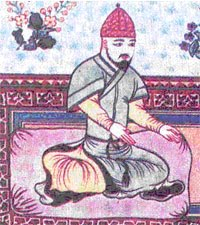
Seljuk Forces Conquer Baghdad: Masters of Islamic Heartlands.
Turkmenistan
Political
5 min read
Updated By: History Editorial Network (HEN)
Published:
The Seljuk forces, led by the ambitious leader Tughril Beg, made their entrance into Baghdad, marking an essential chapter in the history of the Islamic world. Representing a powerful Turkmen confederation, the Seljuks originated from the Central Asian steppes, evolving from small tribal alliances into a dominant military power. Emerging from Turkmenistan, they strategically expanded their influence across the Islamic heartlands, known for their sophisticated military tactics and adept horsemanship.
Their entry into Baghdad was facilitated by the weakening state of the Abbasid Caliphate, which had been struggling with internal strife, political fragmentation, and administrative inefficiencies. The Abbasid Caliphs, though still significant religious figures, had lost much of their temporal power to local dynasties and military commanders. Witnessing the Seljuks’ military prowess and the promise of stability, the Caliph al-Qa'im invited Tughril Beg to aid in restoring order.
The Seljuk occupation did not merely signal a change of rulers but also a revival of administrative efficiency and political stability. The Seljuks respected the religious authority of the Caliphate, allowing it to maintain its spiritual leadership while they took on the mantle of political control. This dual system of governance brought a semblance of stability and continuity at a time when the Islamic world was witnessing fragmentation.
Under the Seljuks, Baghdad flourished as a center of learning, trade, and culture. The Seljuks patronized scholars, artists, and theologians, maintaining the rich intellectual heritage of the previous centuries. The Madrasahs (Islamic schools) received extensive support, facilitating the spread of knowledge and the blending of Turkmen and Persian influences within the Islamic civilization.
The Seljuk administration introduced several reforms in the military and bureaucratic domains, centralizing power and standardizing practices. Their use of Iqta (land grants) helped streamline the collection of revenues and the maintenance of a robust military apparatus. This system provided a pragmatic solution to the age-old problems of fiscal administration, ensuring a steady flow of resources to support their expansive empire.
#Turkmenistan #Seljuks #AbbasidCaliphate #IslamicHistory #MoofLife
Primary Reference
Kazakstan, Kyrgystan, Tajikistan, Turkmenistan, and Uzbekistan ...
Explore the Life Moments of
 AI Twin