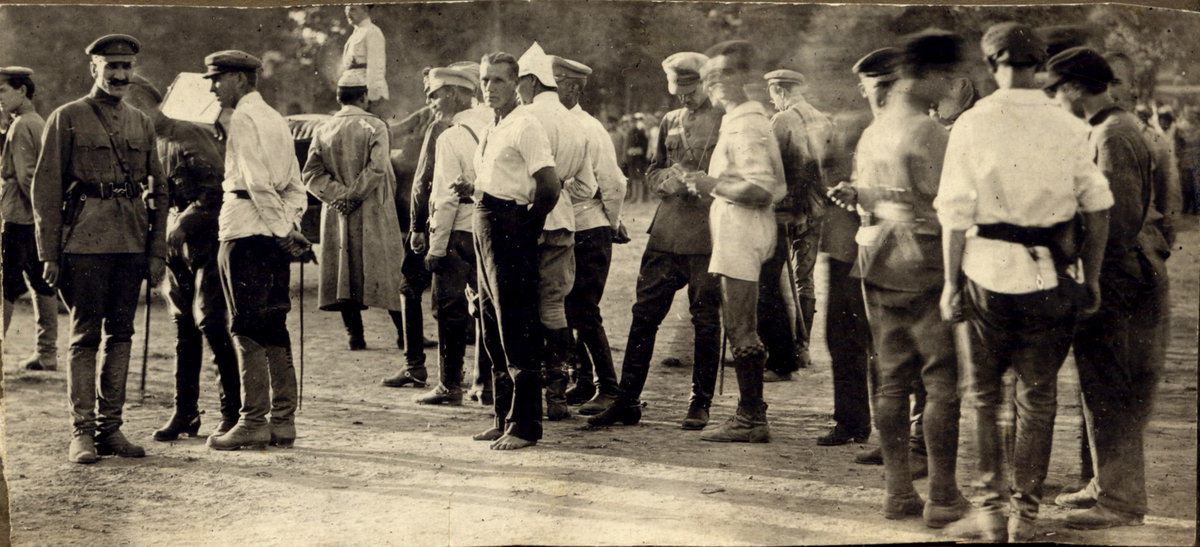
Basmachi rebels flee to Afghanistan and Iran
Turkmenistan
Political
5 min read
Updated By: History Editorial Network (HEN)
Published:
Updated:
In the early 20th century, the Basmachi movement, which comprised a diverse group of Muslim insurgents, arose in response to the Red Army's consolidation of power in Central Asia. This resistance sought to challenge Soviet control, particularly in the regions that today constitute Turkmenistan, Uzbekistan, and Tajikistan. The movement was fueled by a mix of religious fervor, a desire for independence, and opposition to the Soviet-imposed changes in local governance, economy, and traditional ways of life.
Following initial successes, the Basmachi were eventually outmaneuvered by Soviet forces. The Red Army employed superior military tactics and weaponry, coupled with strategies aimed at undermining the Basmachi's base of support among the local populace by implementing reforms and garnering loyalty. Despite these efforts, pockets of resistance persisted, leading to intermittent skirmishes and raids.
During the final phase of their struggle, the remaining Basmachi leaders sought refuge from relentless Soviet pursuit. The last insurgent groups crossed the porous and volatile borders into Afghanistan and Iran. These movements were not just retreats but signaled a significant dispersal of anti-Bolshevik sentiments into neighboring lands, potentially influencing regional stability and relations. Much of this migration involved the continued exodus of fighters and their families, seeking safety in the face of imminent defeat.
The displacement of the Basmachi had notable implications. It marked the decline of major armed resistance in Soviet Central Asia, leading to the eventual stabilization and consolidation of Soviet control. This exodus also sparked concerns in Afghanistan and Iran about the influx of armed groups and the potential for cross-border insurgency. In Turkmenistan, the flight of the Basmachi reflected a critical turning point, as it underscored the erasure of organized resistance, paving the way for deeper integration into the Soviet system.
This historical chapter is a testament to the complex interplay of ideology, resistance, and the shifting sands of territorial control in Central Asia. The legacy of the Basmachi movement continues to evoke discussions on regional nationalism, colonial resistance, and transnational insurgency.
#BasmachiMovement #CentralAsiaHistory #SovietExpansion #Turkmenistan #MoofLife
Primary Reference
Basmachi movement - Wikipedia
Explore the Life Moments of
 AI Twin