Toyota's Koromo Plant Bombing
Japan
Automotive
World War II
3 min read
Updated By: History Editorial Network (HEN)
Published:
Updated:
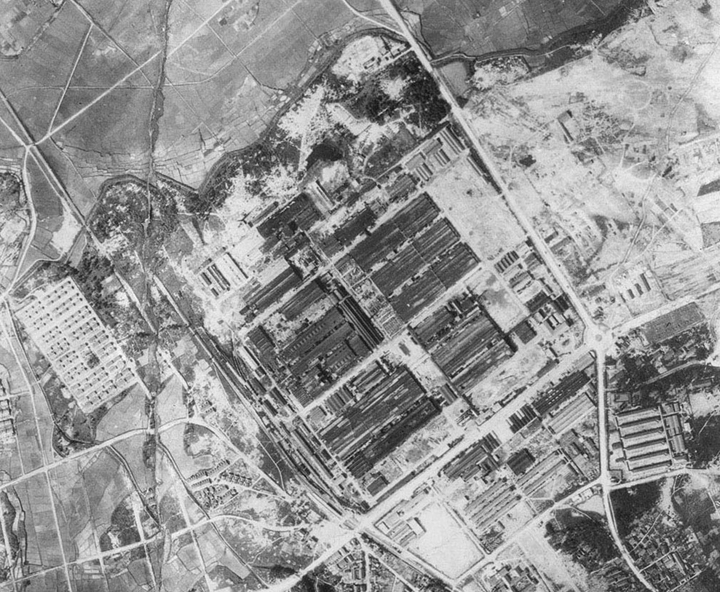
The Koromo Plant, operated by Toyota, was significantly impacted during World War II, as the facility was repurposed to support the war effort. On August 14, 1945, the plant was bombed by Allied forces, a day before Japan's formal surrender. This bombing was part of a broader strategy to weaken Japan's industrial capabilities. Following Japan's surrender, the U.S.-led occupying forces imposed restrictions on the automotive industry, specifically banning the production of passenger cars. This decision was aimed at redirecting resources towards rebuilding the war-torn nation. Despite these restrictions, Toyota was permitted to manufacture trucks for civilian use, which played a crucial role in the reconstruction of Japan's infrastructure.
Additionally, the U.S. military engaged Toyota for vehicle repairs, further integrating the company into the post-war recovery efforts. The transition from wartime production to civilian vehicle manufacturing marked a pivotal shift for Toyota, setting the stage for its future growth in the automotive industry. The Koromo Plant's resilience and adaptability during this period were instrumental in establishing Toyota as a key player in Japan's economic revival.
#mooflife
#MomentOfLife
#ToyotaKoromoPlant
#JapanSurrender
#WorldWarIiImpact
#AutomotiveIndustry
#Post-warReconstruction

Explore the Life Moments of
 AI Twin