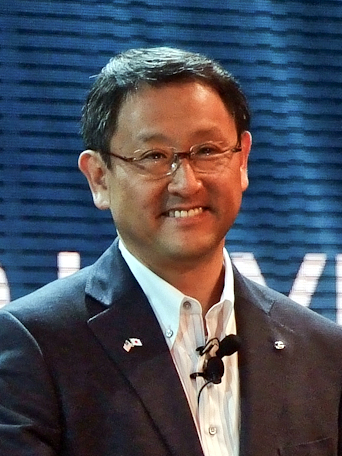
Akio Toyoda Became President of Toyota
Japan
Automotive Industry
Corporate Leadership
Business Management
4 min read
Updated By: History Editorial Network (HEN)
Published:
Updated:
Akio Toyoda became president of Toyota during a challenging period for the company, marked by a significant unintended acceleration scandal that had raised concerns about vehicle safety and quality. His appointment followed the resignation of Katsuaki Watanabe, who had led the company through a time of rapid growth but faced criticism due to the safety issues. Akio Toyoda, the grandson of the company's founder, Kiichiro Toyoda, had been with Toyota since 1984, gaining experience in various roles including production, marketing, and product development. His extensive background within the company and his previous position on the board of directors since 2000 positioned him as a suitable leader to navigate the crisis and restore public confidence in the brand. His promotion marked a notable return of the Toyoda family to the top leadership role after a decade, emphasizing the company's commitment to its founding principles and heritage.
Under Akio Toyoda's leadership, Toyota focused on addressing the safety concerns that had plagued the company. He initiated a series of recalls and implemented stricter quality control measures to enhance vehicle safety. The company also invested in new technologies and innovation, including advancements in hybrid and electric vehicles, to align with changing consumer preferences and environmental standards. Akio's leadership style emphasized transparency and accountability, aiming to rebuild trust with customers and stakeholders. His tenure has been characterized by a commitment to sustainability and a vision for the future of mobility, positioning Toyota as a leader in the automotive industry amidst evolving market dynamics.
#mooflife
#MomentOfLife
#AkioToyoda
#ToyotaLeadership
#AutomotiveIndustry
#VehicleSafety
#CompanyHistory

Explore the Life Moments of
 AI Twin