"War of Currents: Edison Vs. AC - Influence on Electrical Safety Standards"
United States of America
TechnologyCampaign
3 min read
Updated By: History Editorial Network (HEN)
Published:
Updated:
Thomas Edison, a prominent inventor, collaborated with electrical engineer Harold P. Brown to campaign against alternating current (AC). Edison was an advocate of direct current (DC) and was concerned about the safety risks associated with AC. To bolster his argument, Edison and Brown conducted public demonstrations, including the electrocution of animals, to illustrate the potential dangers of AC.
These demonstrations aimed to sway public opinion and influence policy on electrical installations. Edison also supported legislation that sought to limit the installation and operational voltages of AC systems. The campaign sparked a significant debate over the safety of electrical currents, contrasting Edison's DC with the emerging AC systems promoted by other inventors like Nikola Tesla and George Westinghouse.
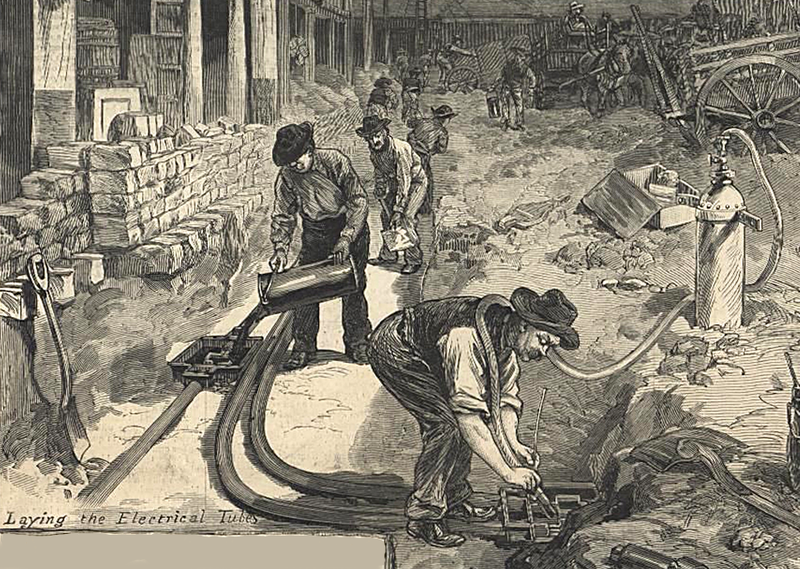
The rivalry, often referred to as the "War of Currents," had substantial implications for the future of electricity distribution. Despite Edison's efforts, AC eventually became the dominant method for electrical transmission due to its efficiency over long distances. However, the debate raised important questions about electrical safety standards and regulations.
Edison's campaign with Brown marked a significant chapter in the history of electrical engineering and influenced both public perception and regulatory frameworks surrounding electrical technology.
#WarOfCurrents #EdisonVsTesla #ElectricalSafety #HistoricalCampaign #MoofLife
Primary Reference
War of the currents - Wikipedia
Explore the Life Moments of
 AI Twin