Thomas Edison's Phonograph Revolutionized Audio and Entertainment Industry
United States of America
Technology
Science
4 min read
Updated By: History Editorial Network (HEN)
Published:
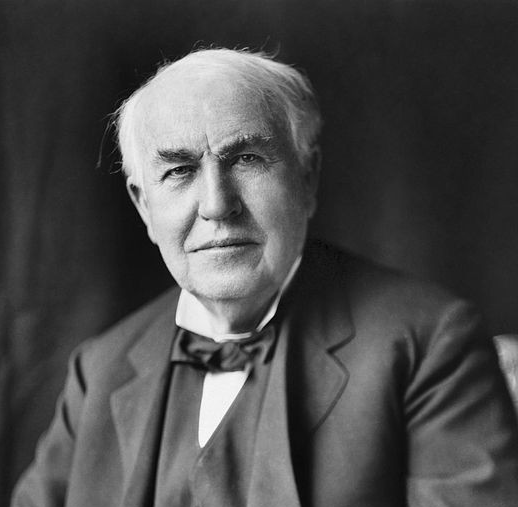
Thomas Edison was awarded U.S. Patent No. 200,521 for his invention of the phonograph. The phonograph, a groundbreaking device, was capable of both recording and reproducing sound, a feat thought to be impossible at the time. Edison conceived this invention while attempting to improve existing telegraph and telephone technology. The phonograph is notable for its use of a stylus to indent sound waves onto a cylinder wrapped in tin foil, a process that allowed for the preservation and playback of audio.
Before the phonograph, sound could not be captured and played back in its original form. This invention revolutionized how people experienced music and speech, laying the groundwork for future innovations in the audio-visual industry. Edison's phonograph had broad applications, including dictation, music reproduction, and even educational purposes. This device marked the beginning of a new era in both home entertainment and mass media.
The impact of the phonograph extended beyond entertainment—affecting scientific research and communications. Its ability to record and analyze sound provided researchers with new tools to study acoustic phenomena. Edison's work on the phonograph also underscored his role as a pivotal figure in the cultural and technological shifts of the late nineteenth and early twentieth centuries.
Although initially the phonograph used tinfoil cylinders for sound recording, subsequent advancements led to the development of more durable wax cylinders and eventually disc records. This evolution in sound recording media and technology continued to build on the foundation laid by Edison’s invention.
#MoofLife #ThomasEdison #Phonograph #USPatent #SoundRecording #Innovation #Technology
Primary Reference
Thomas Edison patents the phonograph | February 19, 1878 ...
Explore the Life Moments of
 AI Twin