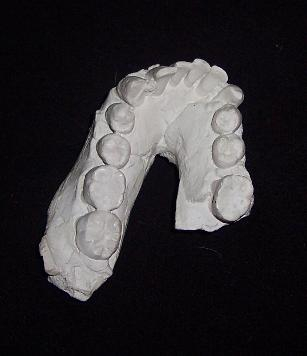
Mary Leakey and Louis Leakey discover the first Homo habilis jaw fragments (OH 7) at Olduvai Gorge, Tanzania.
Tanzania
Science
human Evelution
4 min read
Updated By: History Editorial Network (HEN)
Published:
Homo habilis, often referred to as "handy man," represents a significant step in human evolution due to its association with stone tool usage, marking the beginning of the Lower Paleolithic era. The discovery of OH 7 in Olduvai Gorge was crucial in distinguishing Homo habilis from its predecessors. This hominid exhibited a combination of primitive and modern traits, such as a larger brain capacity compared to Australopithecus and a more human-like face structure. These characteristics, alongside the evidence of tool use, positioned Homo habilis as one of the earliest members of the Homo genus, contributing to the understanding of human cognitive and cultural evolution.
The Leakeys' discovery at Olduvai Gorge underscored the region's importance as a cradle of early human development. The fossil-rich layers of the gorge have continued to provide valuable data, deepening the understanding of hominin diversity and adaptation. The significance of OH 7 extends beyond just one discovery; it challenged prevailing ideas about the timeline of human evolution, suggesting a more complex and geographically diverse origin of tool-making and cognitive abilities in early humans. This breakthrough not only highlighted the Leakeys' contributions to paleoanthropology but also solidified Olduvai Gorge's status as a key site in unraveling the mysteries of human ancestry.
#MomentsOfLife #MoofLife_Moment #MoofLife #HumanEvolution #OlduvaiGorge #Paleoanthropology #LeakeyDiscoveries #HomoHabilis #EvolutionaryHistory

Explore the Life Moments of
 AI Twin