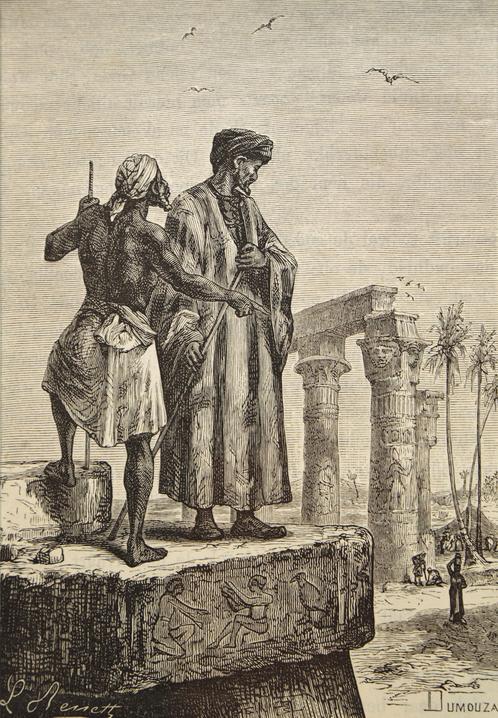
Ibn Battuta's Visit to Kilwa: A Beautiful City in History
Tanzania
Narrative
Trade Routes
5 min read
Updated By: History Editorial Network (HEN)
Published:
Ibn Battuta, an Arab traveler, embarked on a journey across various regions and eventually visited Kilwa, located in present-day Tanzania. Kilwa was a prominent city-state on the East African coast and played a significant role in regional trade. The city thrived as a bustling hub, interfacing with traders from the Arabian Peninsula, India, and even China. On his visit, Ibn Battuta was struck by the city’s structure and organization.
Kilwa’s prosperity was largely due to its strategic position, which made it a key port for the exchange of goods such as gold, ivory, and iron from the African interior. These were traded for luxury items like textiles and porcelain from Asia. The city was also known for its well-constructed buildings, many of which were built from coral stone. This architectural choice not only showcased the engineering skills of the local craftsmen but also spoke to the city’s wealth and the importance placed on durable, impressive structures.
The governance of Kilwa was centered around a sultanate that facilitated and protected trade. Ibn Battuta noted the benevolence and administrative efficiency of the sultan, Abu al-Mawahib, under whose rule the city continued to thrive and attract merchants from various parts of the world. The traveler’s observations were meticulous, emphasizing the elaborate markets, the affluent residential areas, and the magnificent Masjid al-Islam, which was among the largest and most impressive buildings he had encountered on his travels.
The impact of Ibn Battuta’s visit and subsequent documentation of Kilwa was profound. His writings introduced the wider world to the intricate and advanced societies present in East Africa, countering prevailing narratives that often ignored African achievements. By documenting Kilwa, Ibn Battuta provided valuable insights into the economic, cultural, and political landscapes of the region during that period.
Kilwa’s prominence in global trade eventually waned due to shifts in trade routes and the arrival of European powers, but Ibn Battuta’s accounts remain a crucial historical source. They offer an invaluable glimpse into the interconnectedness of medieval world systems and the sophistication of African coastal cities.
#IbnBattuta #Kilwa #Tanzania #TradeRoutes #CulturalExchange #HistoricalNarrative #MoofLife

Explore the Life Moments of
 AI Twin