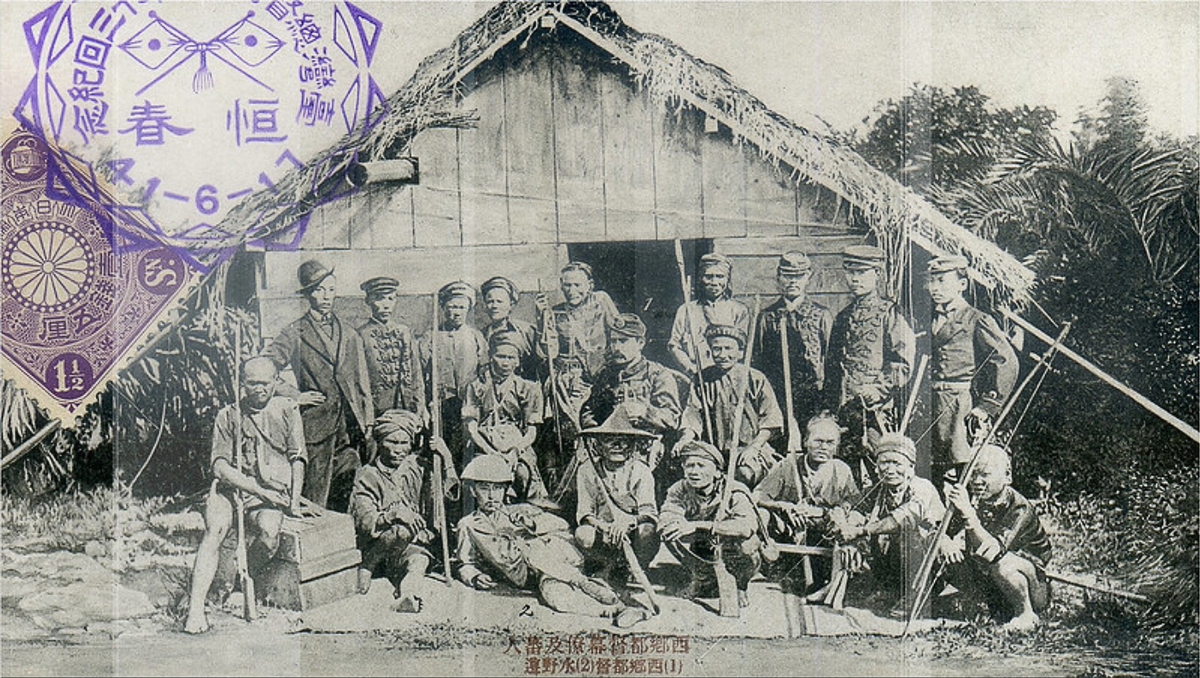
The Japanese army's invasion of Taiwan's mountainous areas
Taiwan
Historical Events
Military History
Indigenous Peoples
3 min read
Updated By: History Editorial Network (HEN)
Published:
Updated:
The Japanese army's invasion of Taiwan's mountainous areas marked a critical phase in the broader context of Japan's colonial expansion. Following the acquisition of Taiwan, the Japanese sought to assert control over the indigenous populations, particularly in the rugged mountainous regions where resistance was strongest. The invasion began in 1911, targeting the Atayal and Bunun tribes, who were known for their fierce resistance to foreign domination. By 1915, the impact of this military campaign was evident, as numerous aboriginal villages were destroyed in the efforts to subjugate these communities. The Japanese military employed a combination of direct assaults and strategic encirclement to dismantle the social structures of the indigenous peoples, leading to significant loss of life and displacement. This invasion not only aimed to secure territorial control but also to facilitate the assimilation of the indigenous populations into Japanese culture and society, which was a key aspect of Japan's imperial policy during this period. The consequences of this invasion were profound, as it disrupted traditional ways of life and led to long-lasting effects on the indigenous communities in Taiwan.
#mooflife
#MomentOfLife
#JapaneseInvasion
#TaiwanHistory
#IndigenousResistance
#Atayal
#Bunun

Explore the Life Moments of
 AI Twin