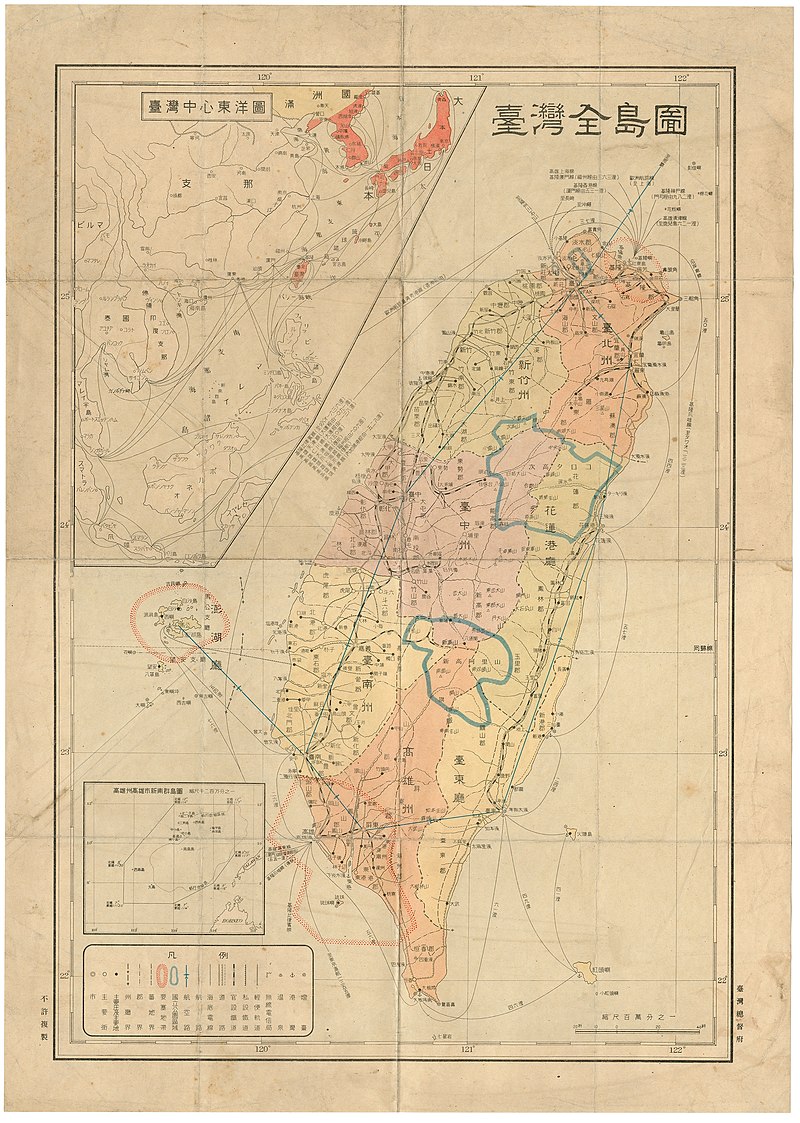
Japanese Court Decision on Taiwan
Taiwan
International Law
Historical Treaties
Taiwan Relations
3 min read
Updated By: History Editorial Network (HEN)
Published:
Updated:
The Japanese court decision in 1956 regarding Taiwan and the Penghu islands marked a pivotal moment in the legal discourse surrounding the sovereignty of these territories. The court ruled that these islands came to belong to the Republic of China (ROC) on the date the Treaty of Taipei came into force. This ruling was significant as it provided a legal basis for the ROC's claim over Taiwan and Penghu, which had been under Japanese rule prior to the end of World War II. The Treaty of Taipei, signed between Japan and the ROC, formally ended hostilities and addressed the status of Taiwan and Penghu, but the interpretation of its implications has been a subject of ongoing debate.
The impact of the 1956 court decision extends beyond legal frameworks, influencing diplomatic relations and discussions about sovereignty in East Asia. The official position of the Government of Japan has been that the Treaty of Taipei did not explicitly state that Taiwan and Penghu belong to the ROC, which adds complexity to the interpretation of the court's ruling. This legal precedent has been referenced in various international discussions and has implications for cross-strait relations between Taiwan and mainland China, as well as Japan's own diplomatic stance. The ongoing discourse surrounding this decision reflects the intricate historical and political context of Taiwan's status in the region.
#mooflife
#MomentOfLife
#JapaneseCourtDecision
#TaiwanSovereignty
#TreatyOfTaipei
#Roc
#EastAsiaRelations
Primary Reference
Judgments of the Supreme Court

Explore the Life Moments of
 AI Twin