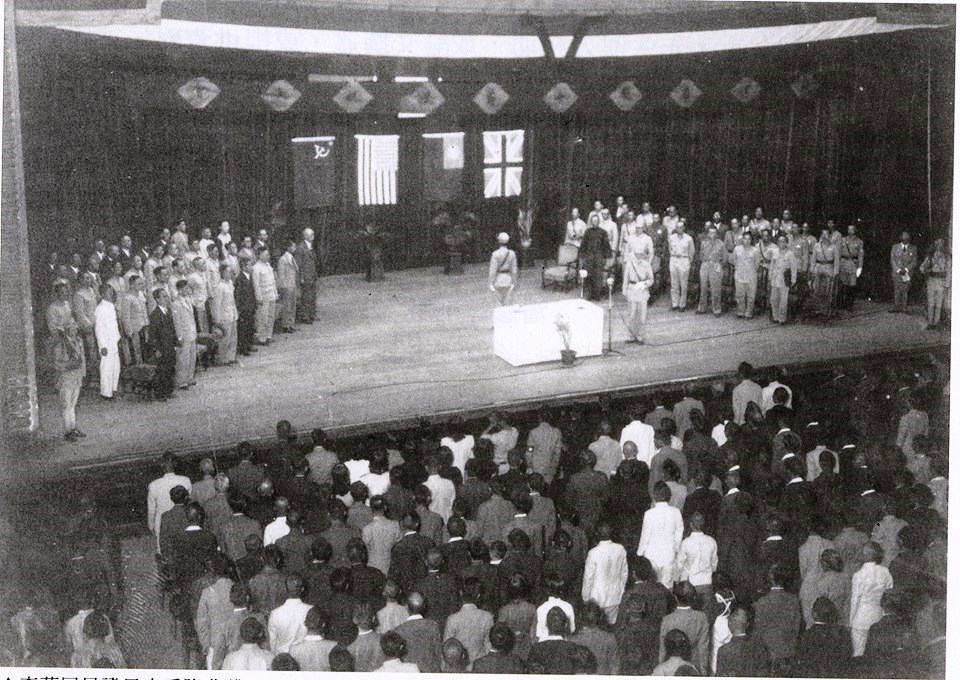
Japan Surrenders and Ends Rule in Taiwan
Taiwan
Historical Events
World War II
Taiwan History
4 min read
Updated By: History Editorial Network (HEN)
Published:
Updated:
Japan's surrender marked the end of its colonial rule in Taiwan, which had lasted for several decades. Following the surrender, the territory was placed under the administration of the Republic of China (ROC) as part of the post-war arrangements facilitated by the United Nations Relief and Rehabilitation Administration. The formal handover occurred when Governor-General Rikichi Andō surrendered to Chiang Kai-shek's forces, with Chen Yi appointed as the new governor of Taiwan. This transition was significant as it shifted Taiwan's governance from Japanese colonial rule to Chinese administration, impacting the political landscape of the region. The surrender also reflected the broader geopolitical changes in East Asia following World War II, as many territories were reassigned to different nations based on wartime agreements and the outcomes of military conflicts.
The impact of Japan's surrender on Taiwan was profound, leading to significant changes in governance, culture, and society. The ROC's administration initiated various reforms aimed at integrating Taiwan into the national framework of China. This included efforts to promote Mandarin as the official language and implement land reforms. However, the transition was not without challenges, as tensions arose between the local Taiwanese population and the new government, leading to social unrest. The historical context of this period laid the groundwork for future political developments in Taiwan, including its eventual path towards democratization and the ongoing complexities of cross-strait relations with mainland China. The legacy of Japanese rule and the subsequent ROC administration continues to influence Taiwan's identity and political dynamics today.
#mooflife
#MomentOfLife
#JapanSurrender
#TaiwanHistory
#RocAdministration
#Post-warAsia
#ColonialRule

Explore the Life Moments of
 AI Twin