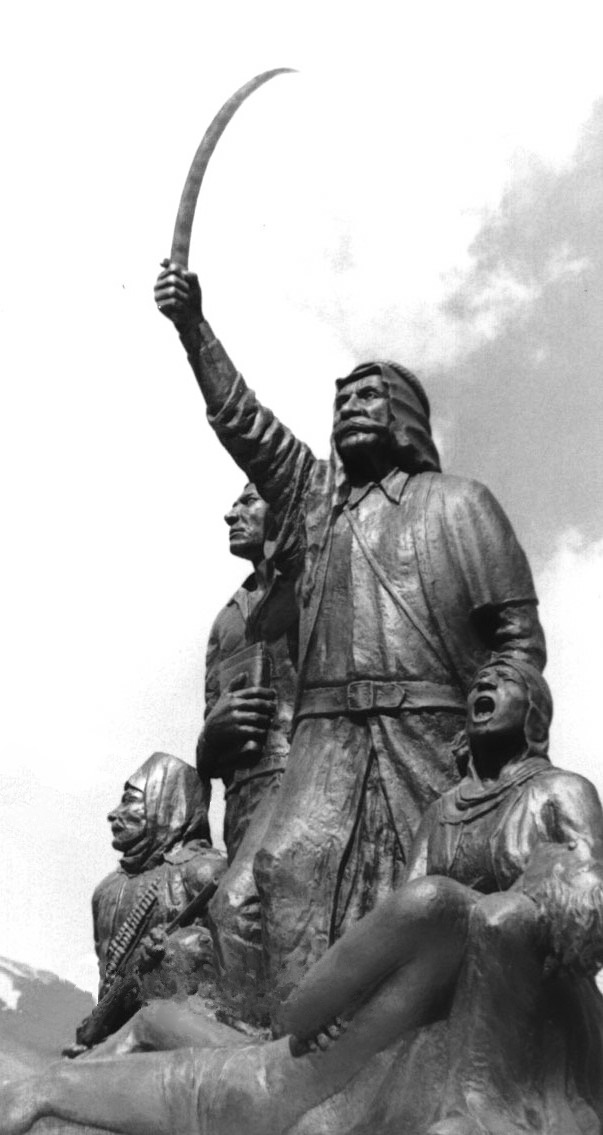
Revolt Against French Mandate Begins
Syria

Political
5 min read
Updated By: History Editorial Network (HEN)
Published:
The Great Syrian Revolt against the French Mandate marked a defining period in the history of Syria and its struggle for independence. The uprising was primarily triggered by widespread dissatisfaction with French colonial rule, which imposed significant control over local governance, disrupted traditional structures, and marginalized nationalistic movements.
Syrian resistance had been simmering due to various grievances, including economic exploitation, heavy taxation, and lack of political representation. The revolt was led by a diverse coalition of Syrian nationalists, tribal leaders, and former Ottoman officials, unified under a common goal to end foreign dominance. Prominent figures such as Sultan al-Atrash, the Druze leader, played a crucial role in galvanizing the opposition.
The initial stages of the revolt saw significant successes for the rebels, who managed to capture several key towns and cities, establishing temporary control over a significant portion of the territory. The French response was swift and severe, employing a combination of military might and political maneuvering to quell the rebellion. Notably, the French forces utilized heavy artillery, airpower, and brutal tactics to suppress the uprising, leading to widespread destruction and significant civilian casualties.
Over time, the revolt took a considerable toll on both the rebel forces and the civilian population. Despite the initial momentum, the lack of a unified command structure and adequate resources hampered the long-term sustainability of the resistance. French authorities eventually regained control, reinforcing their mandate over Syria.
The impact of the Great Syrian Revolt was profound. Though it did not immediately achieve its goal of independence, it significantly weakened French authority and galvanized further nationalist sentiment. The revolt highlighted the deep-seated desire for self-determination among the Syrian people and planted the seeds for future struggles against colonial rule.
In terms of numbers, it is estimated that tens of thousands participated in the revolt, with thousands losing their lives. The economic damage was extensive, affecting both urban centers and rural areas.
The legacy of the revolt is a testament to the resilience of the Syrian people and their enduring quest for sovereignty.
#SyrianRevolt #FrenchMandate #ColonialHistory #Nationalism #MoofLife
Primary Reference
11. French Syria (1919-1946)

Explore the Life Moments of
 AI Twin