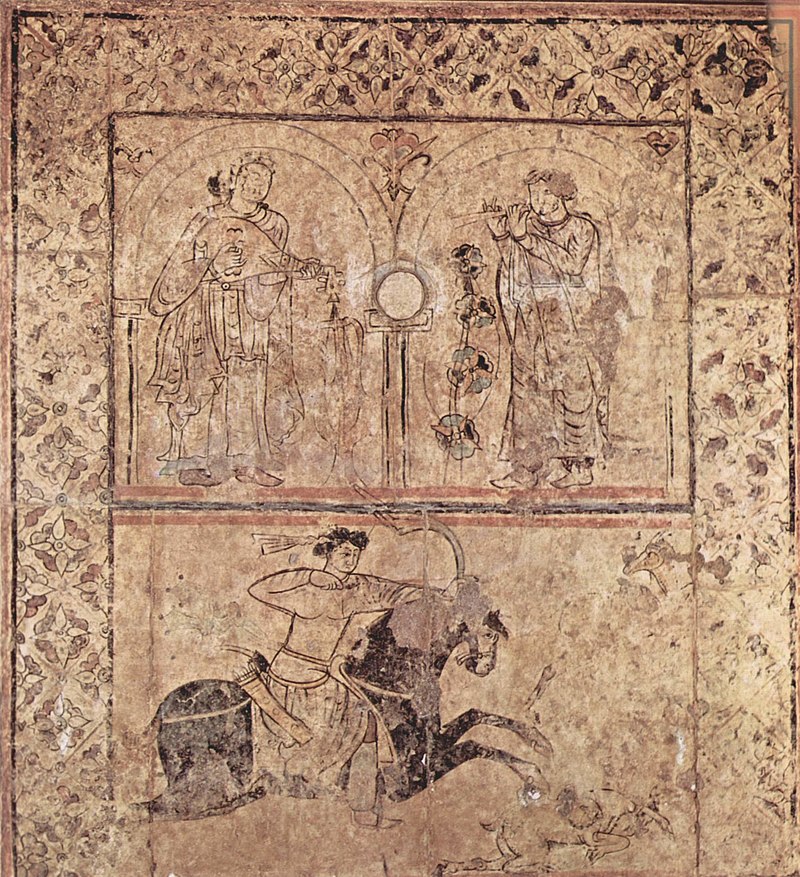
Conquest of Damascus by Muslim Arab forces led by Khalid ibn al-Walid
Syria

Military Strategy
Middle Eastern
5 min read
Updated By: History Editorial Network (HEN)
Published:
Updated:
Damascus, the capital of modern-day Syria, was conquered by the Muslim Arab forces led by Khalid ibn al-Walid. The event took place during the early phase of the Muslim conquests, which were part of the Rashidun Caliphate's expansion. At this time, the Byzantine Empire was facing internal strife and external threats, weakening its grip on its territories.
Khalid ibn al-Walid, a renowned military commander in Islamic history, led the assault on Damascus. His strategic prowess and leadership were instrumental in overcoming the Byzantine defense. Khalid's forces, having traversed harsh desert terrain, managed to encircle the city, cutting off Byzantine reinforcements and supplies.
The Battle of Damascus was marked by intense skirmishes and negotiations. The Byzantine defenders, under the dux Thomas, attempted to repel the invaders but were ultimately outmaneuvered by Khalid's tactics. According to historical accounts, the city fell to the Muslim forces after a protracted siege and negotiations that led to an agreement guaranteeing the safety of its inhabitants.
The capture of Damascus marked a crucial point in the expansion of the Rashidun Caliphate, significantly altering the region’s political landscape. By establishing control over Damascus, the Caliphate gained a strategic foothold in the Levant, facilitating future conquests. It also weakened Byzantine influence in the area, contributing to the eventual decline of Byzantine power in the region.
The successful conquest of such a prominent city not only showcased the military capabilities of the Muslim Arab forces but also demonstrated the effectiveness of their strategic and negotiation skills. The impact of this event extended beyond immediate territorial gains. It became a symbol of the rapid and far-reaching expansion of Islam and the transformation of political boundaries in the Middle East.
Damascus subsequently became an important center for the caliphate, influencing the region's administrative, cultural, and religious practices for centuries. The integration of Damascus into the Rashidun Caliphate laid the groundwork for future developments and the eventual rise of the Umayyad Caliphate, which made Damascus its capital.
#MilitaryStrategy #ByzantineEmpire #RashidunCaliphate #CulturalTransformation #KhalidIbnAlWalid #MiddleEasternHistory #Levant #MoofLife
Primary Reference
Before of the Crusades: 350 - 1095

Explore the Life Moments of
 AI Twin