Occupation treaty between Ottoman Empire and Russia: Treaty of Hünkâr İskelesi
Syria

Geopolitics
Military Alliance
6 min read
Updated By: History Editorial Network (HEN)
Published:
Updated:
In the early 19th century, the Ottoman Empire faced considerable internal and external challenges. Amid its struggle to maintain sovereignty, the Empire entered into a crucial agreement known as the Treaty of Hünkâr İskelesi with the Russian Empire. The context for this treaty was framed by the Ottoman Empire's desperate need for military support against increasing pressures from both internal revolts and external threats, primarily from the Egyptian ruler, Muhammad Ali Pasha, who had become a significant power within the region.
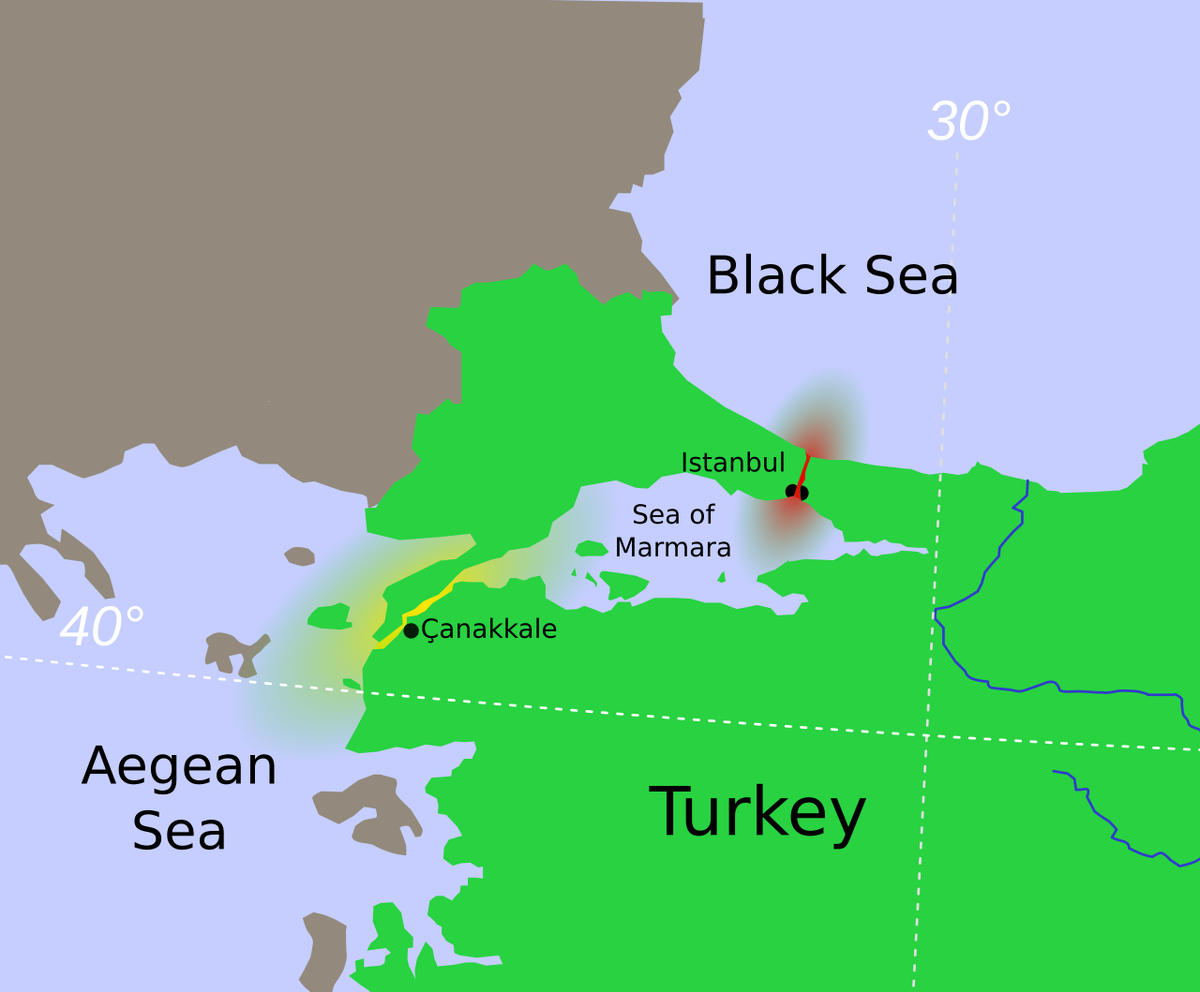
According to the treaty, the Ottoman Empire secured a military alliance with Russia. This agreement included provisions that provided mutual defense obligations. Notably, the treaty contained a secret clause whereby the Ottoman Empire promised to close the strategic Turkish Straits to any foreign warships, except for Russian vessels, if the Russian Empire ever required such measures. This significant concession marked the advantage Russia held within this bilateral pact.
The immediate consequence of the treaty manifested through a shift in regional power dynamics. Russia's backing provided a semblance of security to the Ottoman Empire against Muhammad Ali Pasha's advancing forces. However, this alliance came at a high cost. In exchange for this protection, the Ottoman territories became part of the geopolitical chessboard between the significant powers of Europe. Muhammad Ali Pasha's subsequent military campaign led to temporary occupation of Syria. This occupation not only resulted in the mobilization of substantial military forces but also led to shifts in administrative control, impacting the local governance and economies.
Intelligence reports from the period indicate a marked increase in military activities and a substantial deployment of troops. Exact figures vary, but historical documents suggest tens of thousands of soldiers were involved in the conflict pertaining to Syria. The occupation also catalyzed international diplomatic discussions, with European powers wary of Russia’s growing influence in the Ottoman region, particularly with control over access through the Turkish Straits creating strategic tension.
In the broader context, the Treaty of Hünkâr İskelesi can be seen as a pivotal point that temporarily reshaped the Middle Eastern geopolitical landscape, influenced power relations, and foreshadowed future interactions between the Ottoman Empire and the major European powers.
#Geopolitics #OttomanEmpire #Russia #MiddleEastHistory #MilitaryAlliance #MoofLife #SyriaHistory
Primary Reference
The De Facto State of Nagorno-Karabakh: Historical and ...

Explore the Life Moments of
 AI Twin