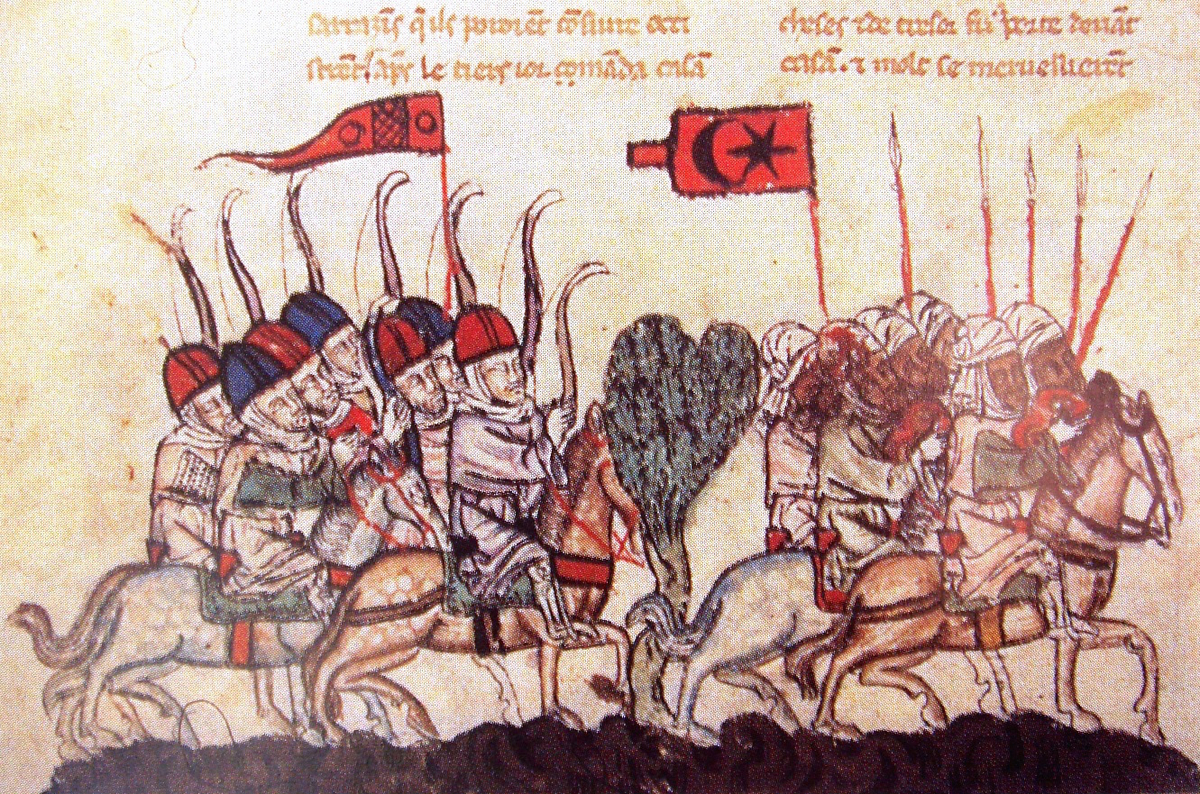
Military confrontation in Mesopotamia results in significant Arab casualties and tactical victories.
Syria

Military
5 min read
Updated By: History Editorial Network (HEN)
Published:
Updated:
The Battle of Wadi al-Khazandar was a pivotal conflict between the Mamluk Sultanate and the Mongol Ilkhanate, occurring near Homs in the region now known as Syria. The confrontation was part of a broader struggle for control over the Middle East, which had seen intermittent warfare between the two powers. The Mamluks, based in Egypt, and the Mongols, who had established control over much of Persia, both sought dominance over Syria.
In the lead-up to the battle, the Ilkhanate forces, commanded by Ghazan Khan, launched an invasion with an army reportedly comprising around 60,000 to 80,000 soldiers. Their objective was to extend their influence into Mamluk-held territories. The Mamluk Sultanate, led by Sultan Al-Nasir Muhammad, quickly mobilized its forces to counter the Mongol advance. The Mamluk army is estimated to have fielded around 20,000 to 30,000 troops, considerably outnumbered by the Mongols.
As the two armies met in the valley of Wadi al-Khazandar, strategic maneuvers began to unfold. The Mongol forces implemented their traditional tactics, including feigned retreats and swift cavalry charges, aiming to disrupt the Mamluk formations. Despite the numerical disadvantage, the Mamluks mounted a resilient defense, demonstrating their well-honed military discipline and tactical prowess. However, the sheer weight of the Mongol onslaught eventually overwhelmed the Mamluk lines, leading to a decisive victory for the Ilkhanate.
The aftermath of the battle had significant implications for the region. The defeat forced the Mamluks to temporarily retreat and regroup, allowing the Mongols to assert temporary control over parts of Syria. This occupation, however, was short-lived. The Mamluk Sultanate, known for its resilience, soon mounted a successful campaign to reclaim the lost territories, reaffirming their dominance in the region by the early subsequent conflicts.
This engagement exemplified the intense power struggle in the Middle East during this era, highlighting the strategic and military capabilities of both the Mamluks and Mongols. The Battle of Wadi al-Khazandar remains a key historical event reflecting the broader geopolitical dynamics of the time.
#MedievalWarfare #Mongols #Mamluks #SyrianHistory #BattleHistoricals #MoofLife
Primary Reference
Battle of Wadi al-Khaznadar - Wikipedia

Explore the Life Moments of
 AI Twin