Middle East Conflict: Yom Kippur War.
Syria

Political
Global Trade
6 min read
Updated By: History Editorial Network (HEN)
Published:
The Yom Kippur War, a pivotal clash in Middle Eastern history, saw Syria and Egypt launch a coordinated attack against Israel with substantial geopolitical repercussions. This conflict emerged from longstanding tensions in the region following the Six-Day War, during which Israel captured significant territories including the Golan Heights from Syria and the Sinai Peninsula from Egypt. These occupied areas remained points of contention, fueling resentment and desire for territorial reclamation among neighboring Arab states.
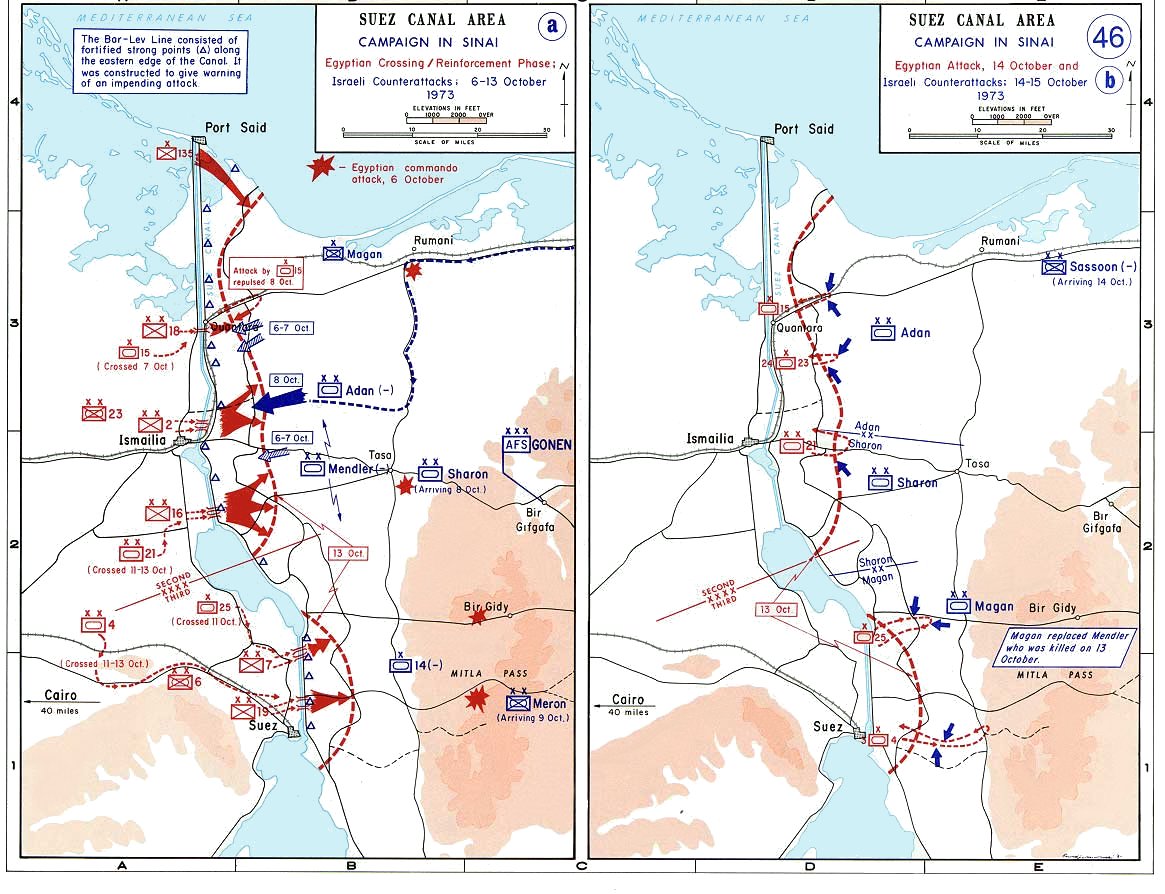
In a strategic surprise, the hostilities began on Yom Kippur, a sacred day in the Jewish calendar, when many Israeli soldiers were on leave and the nation was in a state of collective prayer. The timing aimed to capitalize on reduced military readiness, leveraging the element of surprise. Syrian forces, collaborating with Egyptian troops, targeted the Golan Heights and the Sinai Peninsula respectively, with the goal of recapturing lost territory and reversing the humiliation of their previous defeat.
On the Syrian front, over 500 tanks rolled into the Golan Heights, quickly breaching Israeli defenses and capturing significant ground. The Israeli Defense Forces (IDF) faced initial setbacks but gradually regained control through rapid mobilization and counterattacks. The intensity of the confrontation highlighted both the determination of the Syrian assault and the resilience of the Israeli counteroffensive.
The conflict continued for nearly three weeks. The human toll was severe: estimates suggest that Israel suffered approximately 2,600 military casualties, while combined Arab casualties were significantly higher, with thousands of soldiers killed or wounded. The war also had profound material costs, involving extensive loss of military equipment on both sides.
The United Nations intervened, negotiating ceasefires that eventually ended the conflict. The aftermath saw shifts in international relations, with the United States and the Soviet Union becoming more entangled in Middle Eastern affairs due to their respective support for Israel and the Arab states. The war underscored the volatile dynamics of the region and set the stage for future peace negotiations, including the eventual Camp David Accords between Egypt and Israel.
The Yom Kippur War remains a key episode in understanding the complexities of Arab-Israeli relations and their enduring impact on regional and global politics.
#YomKippurWar #MiddleEastConflict #Israel #Syria #Egypt #Geopolitics #MilitaryHistory #MoofLife
Primary Reference
Yom Kippur War - Wikipedia

Explore the Life Moments of
 AI Twin