Mamluk Sultanate captures city of Homs
Syria
Political
Military
5 min read
Updated By: History Editorial Network (HEN)
Published:
Updated:
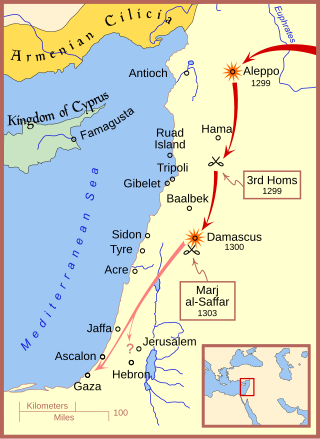
The conquest of the Syrian city of Homs by the Mamluk Sultanate marked a pivotal episode in the broader struggle for control over Syria between various dynastic and imperial powers. The Mamluks, a military caste of slave soldiers who rose to power in the late medieval Islamic world, had successfully established a formidable state centered in Egypt. Under the leadership of Sultan al-Nasir Muhammad, the Mamluks sought to expand their influence across neighboring territories, aiming to consolidate their hold over key regions in the Levant.
Homs, strategically located on the Orontes River, served as a critical juncture for trade routes and military campaigns. The collapse of the Ayyubid dynasty had left a power vacuum that the Mamluks were keen to fill. The city's capture was a testament to the Mamluks' military prowess and strategic acumen. Prior to the siege, the region had been marked by instability and intermittent control by various factions, leading to economic and social turmoil.
The takeover of Homs by the Mamluks had significant ramifications for both the region and the broader Islamic world. The conquest not only solidified Mamluk dominance in Syria but also curtailed the potential resurgence of rival factions in the area. By securing Homs, the Mamluk Sultanate could better protect its northern frontiers and ensure a stable connection between Egypt and the Levant.
In terms of military strategy, the siege of Homs demonstrated the effectiveness of the Mamluk cavalry and their logistical capabilities. The efficiency with which they executed the campaign underscored their ability to project power across significant distances. This event also contributed to the consolidation of Mamluk control over major Syrian cities, further integrating Syria into the Mamluk administrative and economic framework.
The impact of the Mamluks' control over Homs reverberated through the region, influencing trade patterns, political alliances, and the overall stability of Syria. Their administration brought a relative period of peace and order, facilitating economic recovery and the rebuilding of urban infrastructure. However, it also meant the imposition of Mamluk bureaucratic and military structures, which altered the local governance and social dynamics of the city.
#MamlukSultanate #Homs #SyrianHistory #MilitaryCampaigns #MiddleEastHistory #MoofLife
Primary Reference
Fall of Ruad - Wikipedia

Explore the Life Moments of
 AI Twin