Deadly Attack: Hama Massacre by Government Forces
Syria

Political
Human Rights
5 min read
Updated By: History Editorial Network (HEN)
Published:
In the early 1980s, tensions between the Syrian government, led by President Hafez al-Assad, and various opposition groups escalated significantly. One of the most notable opposition groups was the Muslim Brotherhood, which had been involved in numerous confrontations with the government. The culmination of these hostilities occurred in the city of Hama.
The conflict began when the Muslim Brotherhood launched a series of attacks on government installations in Hama, intending to destabilize Assad's regime and incite an uprising. In response, the Syrian government decided to take decisive military action to quell the insurrection. Large contingents of the Syrian Army moved into Hama, along with tanks and artillery.
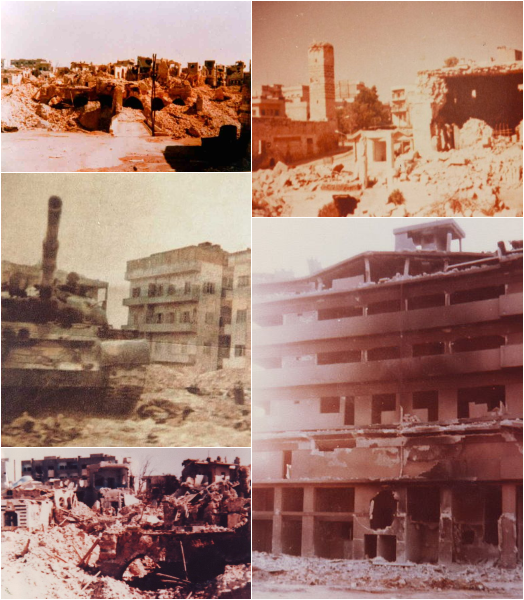
Over the following weeks, intense combat took place in the city. The government forces employed heavy shelling and ground assaults to dislodge the entrenched opposition. Reports from various sources indicated that the military operation resulted in substantial civilian casualties and widespread destruction of infrastructure. Estimates of the death toll vary widely, with some suggesting the number could be between 10,000 to 25,000 people.
The aftermath of the conflict saw significant changes in Hama. The city's landscape was altered, with many neighborhoods reduced to rubble. The substantial loss of life and the extent of the destruction had a lasting impact on the city's social and economic fabric. The event also served as a stark warning to other opposition groups about the potential consequences of defying the Assad regime.
International human rights organizations condemned the Syrian government's actions, labeling the operation as a severe violation of human rights. The massacre highlighted the Assad regime's willingness to use overwhelming military force against dissent, solidifying its grip on power but also sowing long-lasting animosities within Syrian society.
The Hama conflict is often cited in academic and historical contexts as a significant example of state repression. It serves as a case study in the limits of state power, the extremities of political conflict, and the tragic costs of civil strife.
#HamaMassacre #SyrianConflict #HumanRights #MilitaryRepression #CivilianCasualties #MoofLife
Primary Reference
1982 Hama massacre - Wikipedia

Explore the Life Moments of
 AI Twin