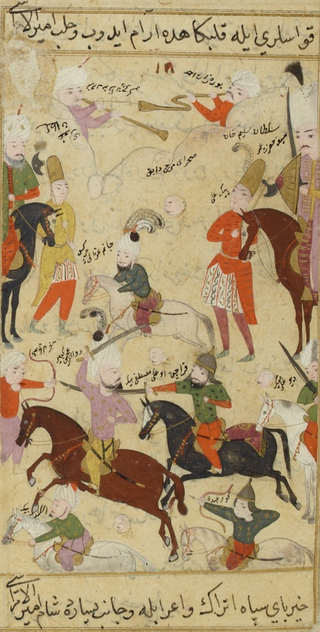
Battle of Marj Dabiq: Ottoman Empire vs Mamluk Sultanate
Syria

Military Political
5 min read
Updated By: History Editorial Network (HEN)
Published:
Updated:
The Battle of Marj Dabiq took place between the Ottoman Empire and the Mamluk Sultanate. The confrontation unfolded near the Syrian town of Dabiq. The battle came after growing tensions, driven by territorial ambitions and political rivalries in the region. Both empires were eager to assert dominance over Syria, a region of strategic importance.
The Ottomans, led by Sultan Selim I, mobilized a well-equipped and disciplined military force. They had recently integrated gunpowder weaponry and cannons into their tactics, which granted them a notable advantage. In contrast, the Mamluks, under Sultan Al-Ashraf Qansuh al-Ghawri, relied on traditional cavalry and archers. Despite their storied legacy as warrior-slaves who overthrew their masters and established a sultanate, the Mamluks faced challenges modernizing their military.
As armies clashed on the battlefield, the superior firepower and strategic acumen of the Ottomans began to tell. The Mamluk forces were outflanked and suffered heavy casualties. Selim I's artillery decimated the Mamluk cavalry charges, disrupting their formations and causing chaos within their ranks. Eventual Mamluk failures culminated in Sultan Al-Ghawri's death during the battle, leading to a collapse in morale and a subsequent retreat of his forces.
The aftermath of the battle marked a turning point. The Ottoman victory at Marj Dabiq effectively ended the Mamluk Sultanate's rule over Syria. This allowed the Ottomans to extend their control over the region, paving the way for their dominance in the Middle East and the expansion of their empire. The incorporation of Syria provided the Ottomans with strategic cities such as Damascus, bolstering their regional influence and securing vital trade routes.
Strategically, the engagement showcased the importance of modern military tactics and technology. The Ottoman use of gunpowder and structured formation changes played a crucial role in their victory, setting a precedent in military confrontations of the time.
Key data: Ottoman forces incorporated advanced artillery, overwhelming the traditional Mamluk cavalry. The battle led to significant territorial shifts, marking the decline of Mamluk influence. Regional dominance transitioned to the Ottomans, shaping the political landscape of the Middle East for centuries.
#OttomanEmpire #MamlukSultanate #MarjDabiq #MilitaryHistory #SyriaConflict #MoofLife
Primary Reference
Battle of Marj Dabiq - Wikipedia

Explore the Life Moments of
 AI Twin