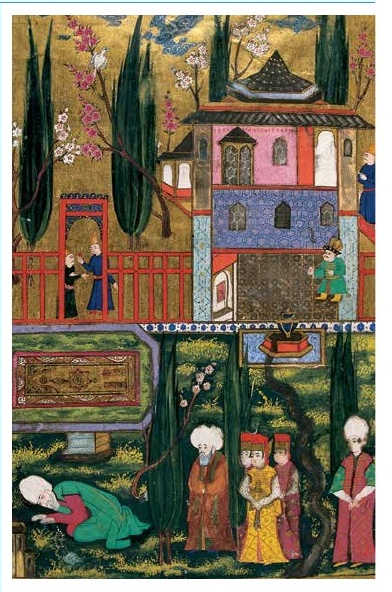
Tragic End of Şehzade Bayezid: Ottoman prince's failed bid for power leads to brutal execution.
Turkey
Political
4 min read
Updated By: History Editorial Network (HEN)
Published:
Şehzade Bayezid, the son of Sultan Suleiman the Magnificent, faced a tragic end along with his four sons after seeking refuge in Safavid territory. Bayezid's relationship with his father had deteriorated significantly following a failed rebellion against Suleiman, driven by a series of disputes over succession. Seeking asylum in the Safavid Empire, Bayezid hoped for support but instead, his desperate bid for power resulted in dire consequences.
The Safavid Sultan, Tahmasp I, initially appeared to offer sanctuary. However, political pressures and negotiations with the Ottoman Empire led to Bayezid's extradition. The Safavids agreed to hand over Bayezid and his sons in return for a hefty ransom. This move underscored the delicate balance and shifting alliances between the two empires, both wary of increasing each other’s power.
The execution of Bayezid and his four young sons not only marked the violent end of a futile bid for power but also reiterated the ruthless nature of Ottoman succession politics. Sultan Suleiman's decision to eliminate his own son highlighted the extent to which he went to secure the stability and future of his rule, a decision driven more by Realpolitik than familial bonds.
The impact of Bayezid's death resonated throughout the Ottoman realm. It was a stark reminder of the perils that befell those who challenged the sultan's authority and a clear message to any potential rebels. This demonstration of absolute power continued to shape the political landscape of the empire, maintaining Suleiman’s control until his eventual demise.
#MoofLife #OttomanHistory #SuleimanTheMagnificent #SafavidEmpire #PoliticalIntrigue #HistoricalEvents
Primary Reference
Suleiman the Magnificent - Wikipedia
Explore the Life Moments of
 AI Twin