Suleiman's Legacy in Ottoman Literature: Nasihatname and Governance Model
Turkey
Political
4 min read
Updated By: History Editorial Network (HEN)
Published:
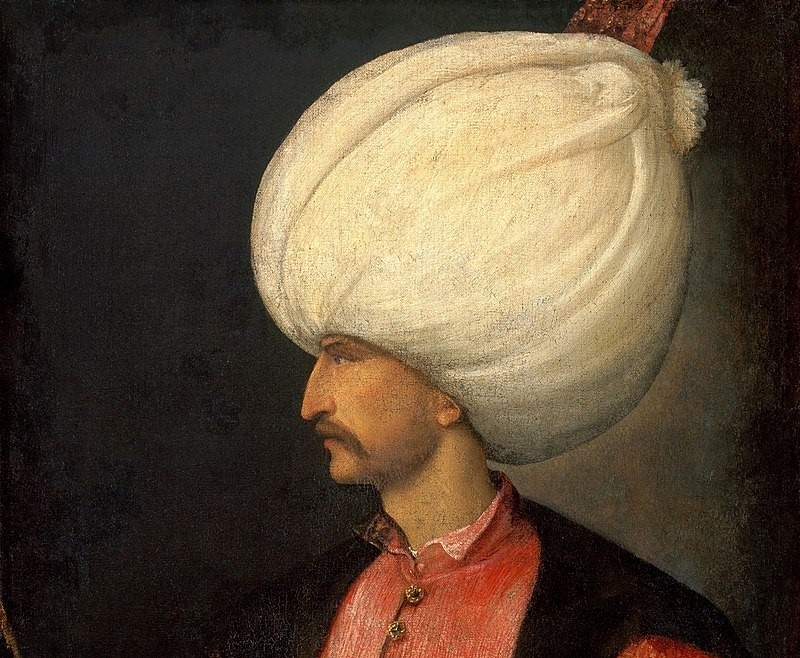
Following the passing of Suleiman the Magnificent, a prominent ruler of the Ottoman Empire, a shift emerged within Ottoman literature. Nasihatname, or 'advice literature,' began incorporating Suleiman’s image as the quintessential model for governance. Writers used detailed accounts of Suleiman's reign to advise future sultans on statecraft, justice, and administration.
Under Suleiman’s rule, the Ottoman Empire reached the zenith of its territorial, economic, and cultural prowess. His military campaigns expanded the empire’s borders significantly, while internally, he implemented substantial legal and administrative reforms. Suleiman’s era was marked by the codification of laws, known as the Kanun, which harmonized the complex legal system of the empire. These accomplishments became central themes in nasihatname literature.
Authors emphasized Suleiman’s commitment to justice, his diplomatic skills, and his ability to balance power among various factions within the empire. They urged future leaders to emulate his judicial fairness and strategic acumen. The nasihatname served as moral and practical guides, stressing the importance of maintaining strong yet fair leadership and governance.
This literature was widely disseminated among the ruling elite and played a pivotal role in shaping the political and administrative ethos of the Ottoman state. It reinforced Suleiman's legacy and set a benchmark for subsequent rulers. The impact of nasihatname persisted, influencing not only political thought but also the cultural and educational systems of the empire.
#SuleimanTheMagnificent #OttomanEmpire #Nasihatname #Leadership #Governance #HistoricalLiterature #MoofLife
Explore the Life Moments of
 AI Twin