Suleiman's Judicial Reforms in Ottoman Empire: A Shift Towards Equitable Justice.
Turkey
Political
Social
4 min read
Updated By: History Editorial Network (HEN)
Published:
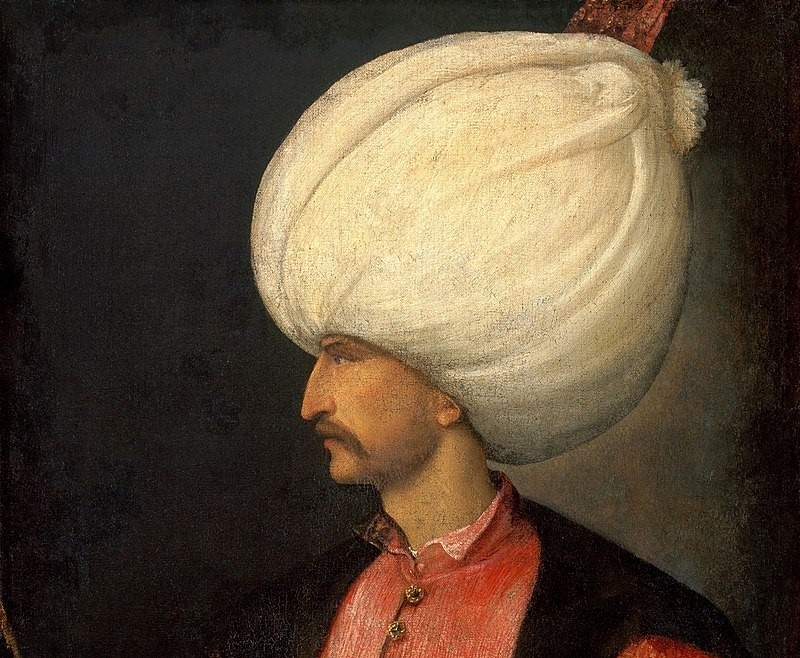
Suleiman the Magnificent's reforms within the Ottoman Empire's judicial system marked a transformational period in criminal law. Before his intervention, penalties for various offenses often included corporal punishments, such as death or mutilation. Recognizing the need for a more equitable legal structure, Suleiman initiated significant changes that minimized harsh physical consequences.
These reforms were part of a broader attempt to align the legal framework with principles of justice and fairness, reducing the reliance on punitive measures. For instance, rather than imposing death or severe physical punishment for certain crimes, fines became a preferred form of retribution. This shift aimed at creating a more humane justice system and helped in lowering the instances of irreversible physical punishment.
Statistics from this period reflect a substantial decrease in capital punishment and mutilation cases. Through these changes, Suleiman introduced methods that emphasized monetary penalties and corrective measures over physical retribution. This move not only reduced the brutality often associated with law enforcement but also opened up alternative means of justice that focused on rehabilitation and restitution.
The broader impact of these reforms resonated through the empire, significantly changing the social and legal landscapes. The reforms solidified Suleiman's status as a ruler concerned with justice and the well-being of his subjects, promoting a sense of fairness within the legal system. Modern evaluations of this era underscore these reforms' role in transforming Ottoman legal practices, influencing later lawmakers' approach to criminal justice.
#SuleimanTheMagnificent #LegalReforms #JusticeSystem #OttomanEmpire #MoofLife
Primary Reference
Suleiman the Magnificent - Wikipedia
Explore the Life Moments of
 AI Twin