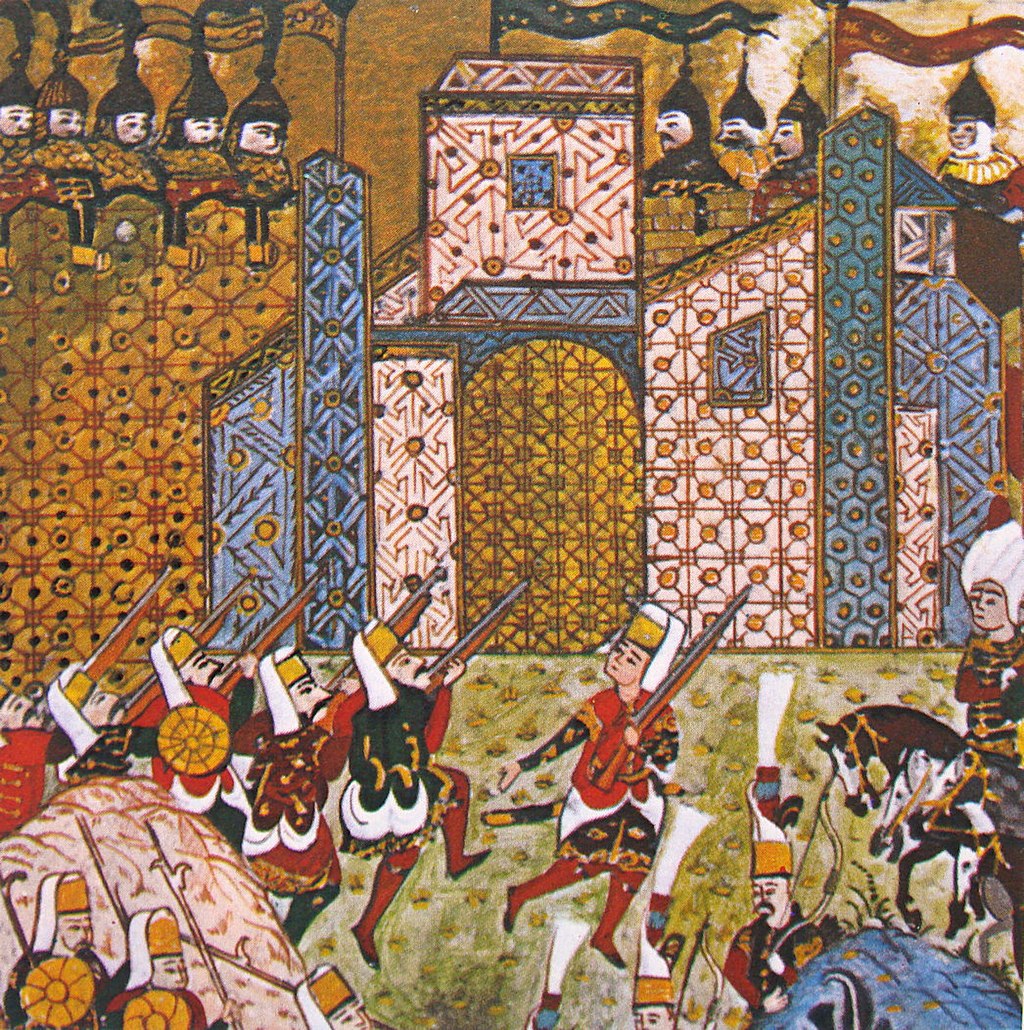
Suleiman's Siege of Rhodes: Ottoman victory shapes Mediterranean geopolitics.
Turkey

Military
3 min read
Updated By: History Editorial Network (HEN)
Published:
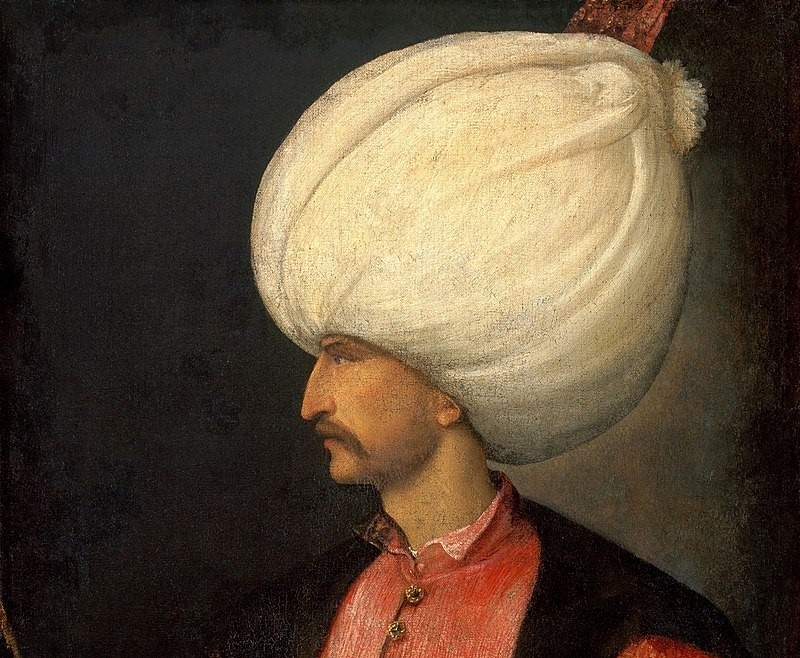
Suleiman the Magnificent, the 10th Sultan of the Ottoman Empire, led a decisive siege against the island of Rhodes. The island, strategically located in the eastern Mediterranean, had long been held by the Knights Hospitaller, a formidable military and religious order. The Ottoman forces, estimated to be around 100,000 strong, engaged in intense combat with the Knights, who numbered approximately 7,000.
The siege lasted over six months, marked by relentless Ottoman artillery bombardments and numerous assaults. The fortifications of Rhodes, though robust, began to falter under continuous pressure. The Ottoman military displayed a combination of strategic planning and sheer numbers, gradually overwhelming the defenders.
The fall of Rhodes had significant implications. The expulsion of the Knights Hospitaller not only solidified Ottoman control over the eastern Mediterranean but also showcased Suleiman's military prowess. The loss forced the Knights to relocate, eventually settling in Malta. Suleiman's victory reinforced the Ottoman Empire's dominance in the region and contributed to the empire's broader territorial expansions.
In summary, the siege of Rhodes under Suleiman's command exemplified the effective military strategies of the Ottoman Empire and had lasting impacts on the geopolitical landscape of the Mediterranean.
#RhodesSiege #OttomanEmpire #SuleimanTheMagnificent #MilitaryHistory #MoofLife
Primary Reference
Siege of Rhodes (1522) - Wikipedia
Explore the Life Moments of
 AI Twin