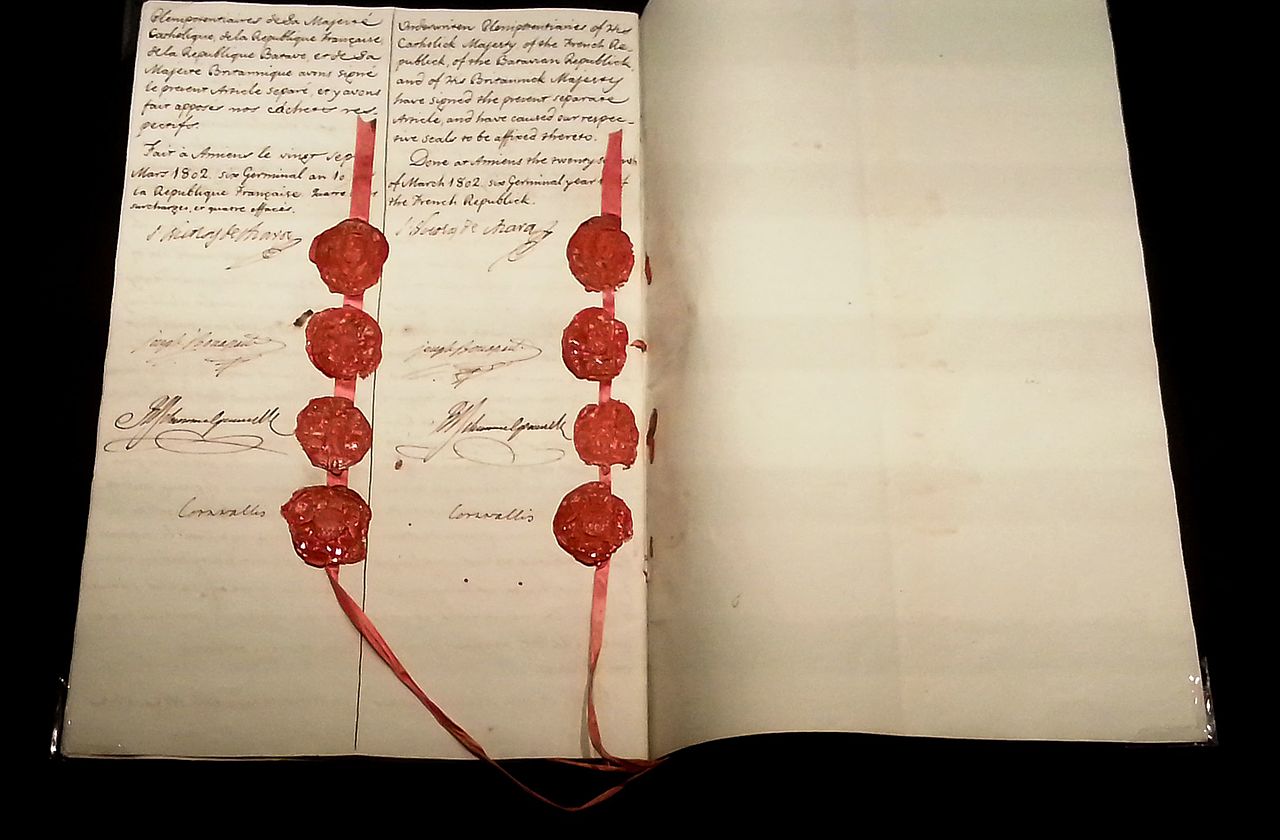
Treaty temporarily returns Ceylon to Dutch
Sri Lanka

Colonial Geopolitical Shifts
5 min read
Updated By: History Editorial Network (HEN)
Published:
The Treaty of Amiens marked a pivotal moment in colonial histories, especially for the island of Ceylon, currently known as Sri Lanka. The agreement, primarily forged between Britain and France, aimed at terminating hostilities during the War of the Second Coalition. Under its terms, Ceylon was momentarily handed back to the Dutch from the British control. The British had initially taken control from the Dutch during the previous conflicts of the late 18th century.
One significant clause of the treaty included the restitution of colonies previously seized, impacting various territories, among which Ceylon was notably mentioned. This decision was influenced by the strategic importance of Ceylon due to its location in the Indian Ocean, which allowed for control over maritime trading routes. The Dutch East India Company had established its presence in the mid-17th century, exerting influence over the coastal regions, primarily for securing trade monopolies, particularly in spices like cinnamon.
The British occupation saw changes in administrative practices and infrastructure, aligning Ceylon's development with other British territories. However, the Treaty of Amiens intended to stabilize European political relations by restoring territories, illustrative of the oscillating power dynamics amongst colonial powers.
Although the treaty temporarily transferred control back to the Dutch, the broader geopolitical context meant that this restored possession was short-lived. The conflicts and tensions resumed shortly after, and the British re-asserted dominance, incorporating Ceylon into their empire permanently within a few years.
For Ceylon's local population, these colonial handovers entailed shifts in governance, economic policies, and social conditions. The continued struggle of European powers over Ceylon underscored its role in advancing global imperial interests, often neglecting the aspirations of indigenous people.
Overall, the treaty represented a transient phase in the island's colonial saga, emphasizing the complexities of colonial exchanges and the island's status as an invaluable asset in global trade networks.
#TreatyofAmiens #CeylonHistory #SriLanka #ColonialHistory #BritishEmpire #DutchColonization #GeopoliticalShifts #MoofLife
Primary Reference
Treaty of Amiens - Wikipedia

Explore the Life Moments of
 AI Twin