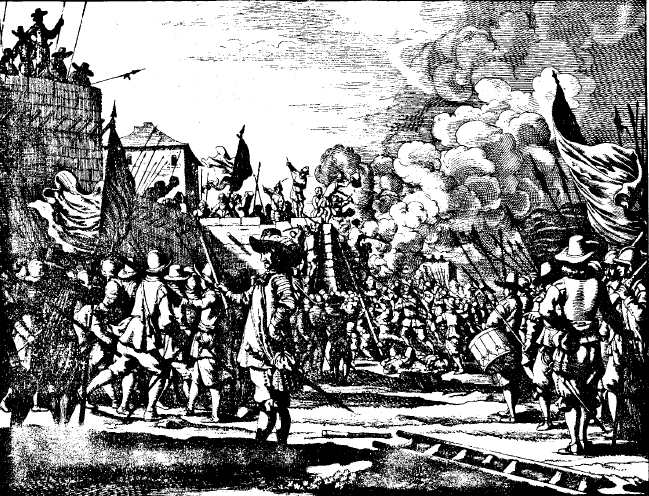
Dutch takeover of Colombo from Kandy in colonial era
Sri Lanka

Global Trade
Political
5 min read
Updated By: History Editorial Network (HEN)
Published:
The event known as the Capture of Colombo by the Dutch from the Kingdom of Kandy, was a pivotal episode in South Asian colonial history. The Dutch East India Company (VOC) sought control over Colombo, a strategically significant port city in what is now Sri Lanka, to enhance their influence and commercial interests in the region. At the time, the area was under the fluctuating control of the Kingdom of Kandy and the Portuguese, who had entrenched their presence in the coastal zones.
The Kingdom of Kandy, located inland, harbored a long-standing enmity with the coastal Portuguese, who were exploiting the island's resources and imposing trade monopolies. Willing to dislodge the Portuguese, the Kandyans allied with the Dutch, who were motivated by commercial benefits rather than territorial conquest. The Dutch strategy capitalized on their naval prowess and superior firepower.
The siege of Colombo was marked by a series of tactical maneuvers, blockades, and confrontations. The superior engineering skills and the naval capabilities of the Dutch proved decisive. The Portuguese, although well-fortified and experienced in combat, could not withstand the sustained Dutch assault coupled with the coordinated attacks by Kandyan forces from inland.
The capture of Colombo had far-reaching implications. It weakened Portuguese territorial claims and reduced their foothold in the region. For the Dutch, it was a significant step in establishing their dominance in the spice trade in South Asia. The Kingdom of Kandy, although benefiting temporarily from the ousting of its enemy, found itself dealing with a new European power, initiating a complex dynamic of alliances, trade, and conflicts.
In the broader context, the fall of Colombo indicated a shift in the colonial power structure in Sri Lanka and showcased the rising influence of the Dutch in the Indian Ocean trade network. This event was instrumental in shaping the political and economic tapestry of the island, influencing subsequent colonial and local interactions.
#MoofLife #DutchColonialism #Kandy #ColomboCapture #SriLankaHistory #TradeWars #SouthAsianHistory
Primary Reference
Siege of Galle (1640) - Wikipedia

Explore the Life Moments of
 AI Twin