Uninterrupted human presence in space begins
International Space Station, Low Earth Orbit
Space Exploration
Human Spaceflight
International Collaboration
4 min read
Updated By: History Editorial Network (HEN)
Published:
Updated:
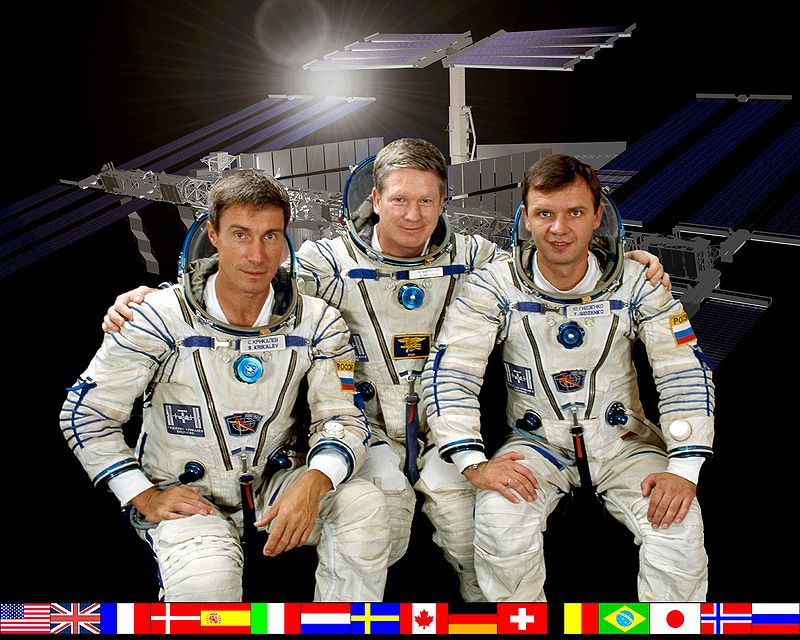
On 02/11/2000, the Expedition 1 crew entered the International Space Station, beginning continuous human presence in space. The three member crew arrived aboard the Russian Soyuz TM-31 spacecraft and docked with the station after launching from Baikonur Cosmodrome on 31/10/2000. The crew consisted of Commander William Shepherd of NASA and Flight Engineers Yuri Gidzenko and Sergei Krikalev of Roscosmos. After opening the hatch, the astronauts became the first long duration residents of the ISS, transitioning the station from an unoccupied structure into a permanently inhabited orbital outpost.
At the time of their arrival, the station consisted of the Zarya functional cargo block and the Zvezda service module, along with early supporting components. The Expedition 1 crew activated life support systems, configured onboard computers, and prepared the station for future assembly missions. Their tasks included installing equipment, conducting maintenance, and beginning scientific operations. The crew remained aboard the ISS for about four and a half months, supporting assembly and operations as additional modules and visiting spacecraft arrived.
The 02/11/2000 milestone marked the start of uninterrupted human occupation of the International Space Station. Since that date, crews from multiple countries have continuously lived and worked in orbit, conducting research in microgravity and supporting station expansion. The Expedition 1 mission established operational procedures and demonstrated long duration habitation in low Earth orbit.
#mooflife
#MomentOfLife
#HumanPresenceInSpace
#Expedition1
#InternationalSpaceStation
#SpaceExploration
#Nasa
Primary Reference
Expedition 1

Explore the Life Moments of
 AI Twin