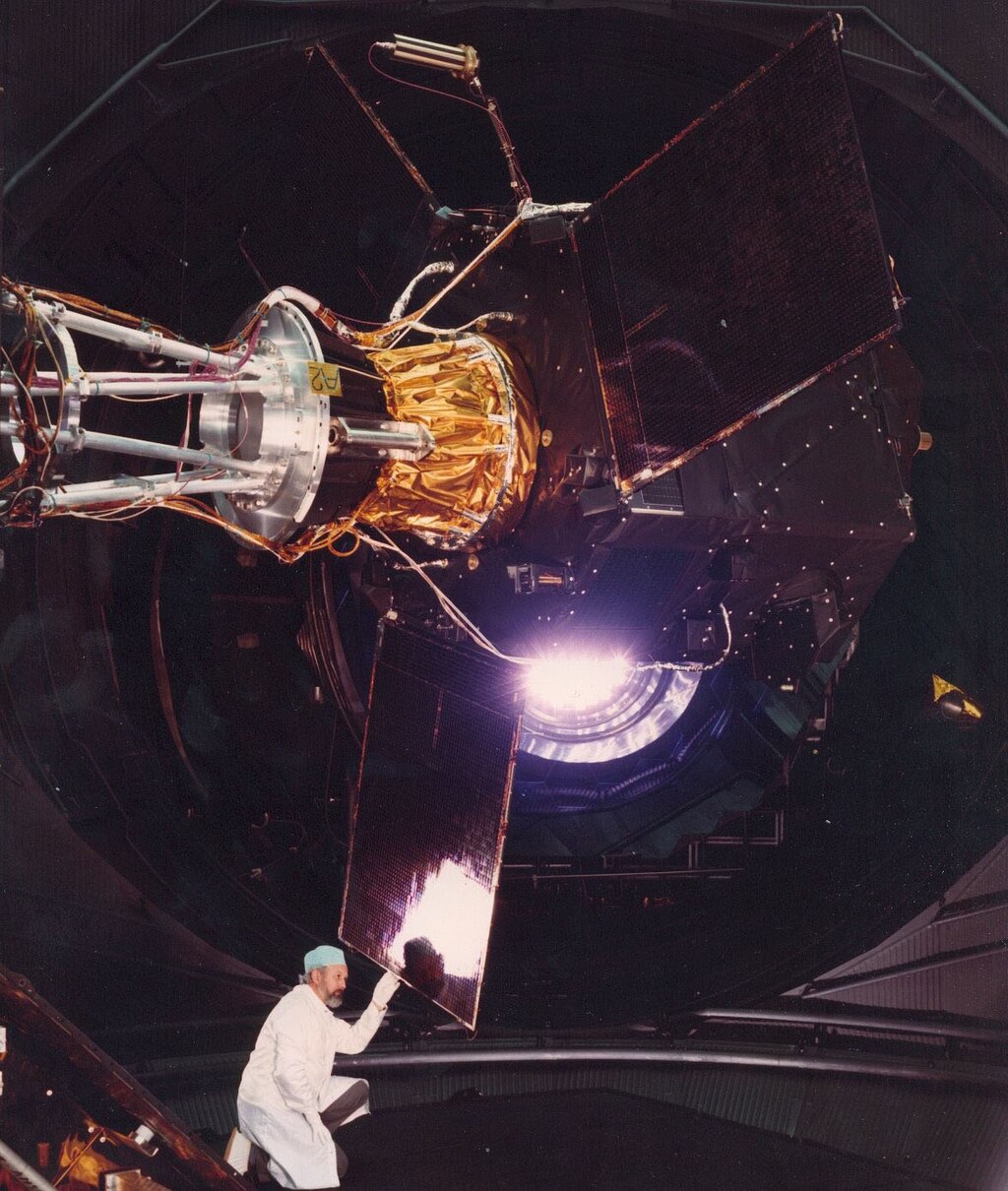
First Astrometric Satellite by ESA
United States of America
Space
Astronomy
Technology
4 min read
Updated By: History Editorial Network (HEN)
Published:
Updated:
The European Space Agency (ESA) launched Hipparcos, marking the first astrometric satellite designed to measure the positions and movements of stars with unprecedented precision. This mission aimed to create a comprehensive catalog of stellar positions, which would enhance the understanding of the structure and dynamics of our galaxy. Hipparcos utilized advanced technology to collect data on over 118,000 stars, measuring their distances and motions through parallax and proper motion techniques. The satellite operated for about four years, during which it gathered extensive data that contributed significantly to the field of astrometry, a branch of astronomy focused on the measurement of the positions and movements of celestial bodies.
The impact of Hipparcos on the field of astronomy was profound. The data collected from the mission allowed astronomers to refine the distances to stars, leading to improved models of stellar evolution and the dynamics of the Milky Way. The Hipparcos catalog has been instrumental in various astronomical studies, including the determination of the scale of the universe and the mapping of the galaxy's structure. The mission also paved the way for future astrometric missions, such as the Gaia satellite, which continues to build on the legacy of Hipparcos by providing even more detailed measurements of stars and their movements. The success of Hipparcos demonstrated the potential of space-based observatories in advancing our understanding of the cosmos.
#mooflife
#MomentOfLife
#Esa
#Hipparcos
#AstrometricSatellite
#Astronomy
#SpaceExploration
Primary Reference
https://en.wikipedia.org/wiki/Hipparcos

Explore the Life Moments of
 AI Twin