Revitalized South Sudan Government Aims for Peace Amidst Challenges
South Sudan

Political
4 min read
Updated By: History Editorial Network (HEN)
Published:
Updated:
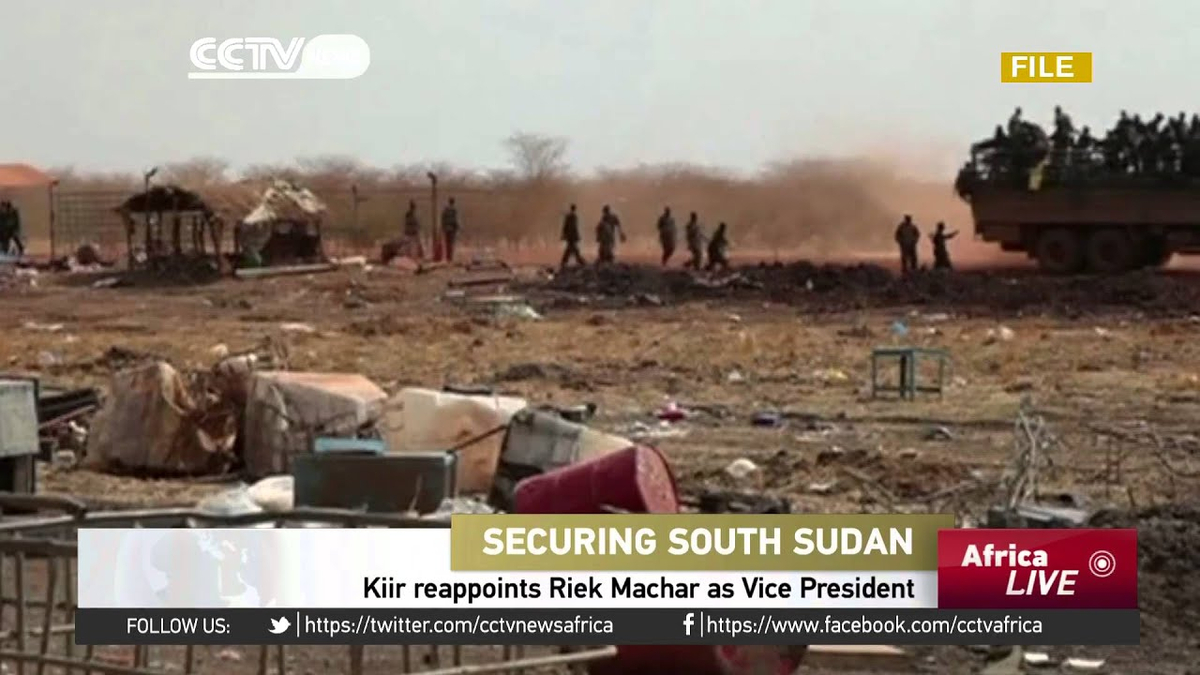
The Revitalized Transitional Government of National Unity was established as a crucial milestone in the peace process in South Sudan. This event saw the reinstatement of Riek Machar as Vice President, marking a critical step towards ending years of civil conflict. The internal conflict in South Sudan, which erupted following the country's independence, left deep scars, with over 380,000 estimated deaths and almost 4 million people displaced.
Machar's return to governmental roles came after a series of extensive peace negotiations under the Intergovernmental Authority on Development (IGAD). The power-sharing agreement intended to integrate opposition forces and reduce hostilities. A significant move was made to combine forces and distribute key positions among rival factions to stabilize the nation.
The impact of this governmental formation was multifaceted. On one hand, it provided a framework aimed at ceasing hostilities and beginning reconstruction efforts. On the other, challenges remained, including the full implementation of security arrangements, economic recovery, and addressing humanitarian needs. The population remained cautious, remembering prior failed agreements.
Furthermore, international bodies and regional players closely monitored South Sudan's political landscape. The African Union, IGAD, and the United Nations all expressed support, hoping the new unity government would lead to sustainable peace.
This effort reflects the long journey of struggle and aspiration for peace in the world's youngest nation. Stakeholders emphasized that collaborative governance and genuine political will were essential for retaining stability and improving the livelihood of South Sudanese people.
#MoofLife #SouthSudan #PeaceProcess #RiekMachar #GovernmentUnity
Primary Reference
Security Council Welcomes South Sudan's New Power-Sharing ...

Explore the Life Moments of
 AI Twin