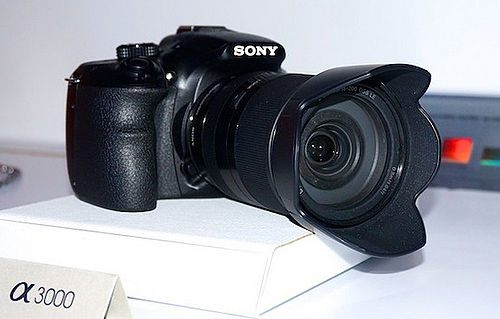
Introduction to Alpha MILC Series
Japan
Technology
Photography
Cameras
4 min read
Updated By: History Editorial Network (HEN)
Published:
Updated:
The Alpha MILC (Mirrorless Interchangeable Lens Camera) series by Sony represents a significant evolution in camera technology, merging the features of the NEX series into a more advanced platform. The introduction of the E-mount system marked a pivotal shift in the design and functionality of mirrorless cameras, allowing for a more compact body while maintaining high-quality imaging capabilities. The α3000 was the first model in the Alpha MILC series, designed to appeal to both amateur and professional photographers seeking versatility and performance in a lightweight format. Following the α3000, Sony expanded the series with the introduction of the Full-Frame α7 and α7R models, which further enhanced the capabilities of the Alpha line by offering larger sensors and improved low-light performance. These advancements positioned the Alpha MILC series as a competitive option in the digital camera market, appealing to a wide range of users from casual shooters to serious enthusiasts.
The impact of the Alpha MILC series has been substantial, contributing to the growing popularity of mirrorless technology in the photography industry. The E-mount system has facilitated the development of a diverse range of lenses, enhancing the creative possibilities for photographers. The α7 series, in particular, has been recognized for its high-resolution sensors and advanced autofocus systems, setting new standards for image quality and performance in mirrorless cameras. As a result, the Alpha MILC series has not only influenced consumer preferences but has also prompted other manufacturers to innovate in the mirrorless space. The success of the Alpha series underscores the shift in the market towards more compact and versatile camera systems, reflecting changing consumer needs and the ongoing evolution of photographic technology.
#mooflife
#MomentOfLife
#AlphaMilc
#SonyE-mount
#MirrorlessCameras
#PhotographyTechnology
#CameraInnovation

Explore the Life Moments of
 AI Twin