Solomon Islands Achieves Self-Government

| Political |
Updated By: History Editorial Network (HEN)
Published: | Updated:
6 min read
The Solomon Islands embarked on a new chapter when it achieved self-government with Sir Peter Kenilorea as Chief Minister. This milestone marked the transition from colonial rule to local governance, laying the groundwork for the islands' future independence. The Solomon Islands, a nation in the Pacific, had been under British colonial rule. The move towards self-government was part of a broader decolonization trend observed globally during the 20th century.
Sir Peter Kenilorea, a local educator turned politician, emerged as an influential leader. His leadership was pivotal in the negotiation process with the British authorities, advocating for the Solomon Islands' right to self-determination. Kenilorea’s appointment as Chief Minister signified a step towards greater political and administrative autonomy for the Solomon Islanders.
The impact of this change was manifold. Politically, it established a local governing body responsible for managing internal affairs, which included economic planning, education, and healthcare. This transfer of power aimed to promote self-reliance and development within the islands. Additionally, it fostered a sense of national identity among the diverse ethnic groups, encouraging unity and collective progress.
Economically, local governance meant that resources were allocated with a focus on national interest. This shift sought to address social issues, enhance infrastructure, and improve overall living standards. However, it also posed challenges, such as managing economic dependencies and limited resources.
Socially, the self-government period encouraged local participation in governance. This included the formation of political parties, increased civic engagement, and the rise of grassroots movements advocating for various causes. Furthermore, it was an opportunity for local cultures and traditions to be integrated into the national framework.
Statistical data from this period illustrated gradual improvements in literacy rates and healthcare access, as local leaders prioritized these areas. The move towards self-governance laid the foundation for future economic and social reforms, contributing to the Solomon Islands' long-term development goals.
Sir Peter Kenilorea’s leadership during this transformative period earned him enduring respect. His role was marked by efforts to unify the islands and stabilize the newly established political system. Kenilorea would later continue to serve in various capacities, further shaping the nation's path.
#MoofLife #SolomonIslands #SelfGovernment #PeterKenilorea #Decolonization #PacificIslands #PoliticalTransition #LocalGovernance
Primary Reference: Solomon Islands (12/04)
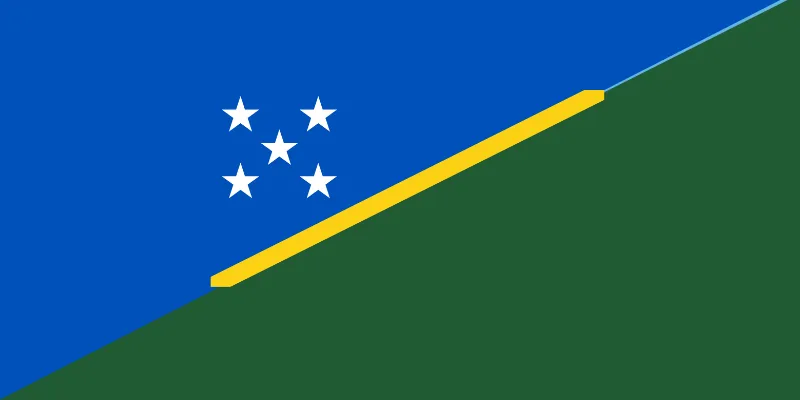
Explore the Life Moments of Solomon Islands |