Germany cedes islands to Britain, reshaping Pacific colonial boundaries and governance.

| Global Trade | Political |
Updated By: History Editorial Network (HEN)
Published: | Updated:
4 min read
Germany ceded the islands of Choiseul, Santa Isabel, the Shortlands, and Ontong Java to the British Solomon Islands Protectorate under the Treaty of Berlin. This geopolitical shift was marked by negotiations intended to redefine colonial territories in the Pacific region. These negotiations were part of broader international strategies employed by European powers during that era to consolidate and expand their global influence.
The cession of these islands meant that administrative and governmental control transferred from Germany to Britain. This transition was part of a larger agreement that also saw Germany gaining control over other territories, reflecting the colonial competition between European empires. The British Solomon Islands Protectorate, established primarily for the regulation of trade and to assert British presence in the region, expanded its jurisdiction with the addition of these islands.
The adjustment of boundaries was significant in the structuring of political governance and economic activities within the new territories. Under British administration, changes in land policies, local governance, and trade regulations occurred, impacting the indigenous communities as well as European settlers. The long-term effects included the integration of these islands into the British colonial framework, with subsequent influences on their cultural, economic, and social structures.
#MoofLife #SolomonIslands #ColonialHistory #TreatyOfBerlin #IslandCession #GeopoliticalShift
Primary Reference: The Naturalist and his 'Beautiful Islands'
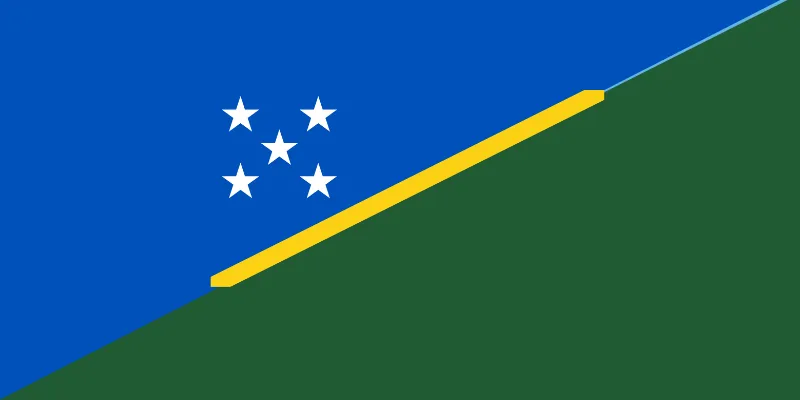
Explore the Life Moments of Solomon Islands |