Biuku Gasa and Eroni Kumana Aid in Rescue of PT-109 crew

| Political | Global Trade |
Updated By: History Editorial Network (HEN)
Published: | Updated:
4 min read
Biuku Gasa and Eroni Kumana, native coast watchers from the Solomon Islands, played a pivotal role in the rescue of Lieutenant John F. Kennedy and his crew after the PT-109, a patrol torpedo boat, was destroyed during World War II. Kennedy's PT-109 was critically damaged during a mission, resulting in the crew being stranded on a small Pacific island. Despite the challenging environment and limited resources, Kennedy and the survivors managed to reach a nearby island after days of struggle and survival.
Gasa and Kumana discovered the wrecked crew while paddling their dugout canoes through the islands. Understanding the gravity of the situation, and using their local knowledge, they navigated through hostile waters to find Kennedy and his men. Kennedy carved a message on a coconut shell, which Gasa and Kumana delivered to an Allied base, indicating the crew's location and condition. This act greatly facilitated the subsequent rescue operation conducted by Allied forces.
The successful rescue was crucial not only for the survival of the stranded crew but also for boosting the morale among the Allied forces in the Pacific theater. Kennedy’s survival and later recounting of the event added to his wartime heroism, which played a part in his political narrative as he rose to become the 35th President of the United States. The actions of Gasa and Kumana highlighted the critical role local islanders played during wartime operations, providing valuable assistance despite operating under risky conditions.
#MoofLife #WWII #JFK #Rescue #PT109 #SolomonIslands #Survival #Heroism #AlliedForces #LocalHeroes #WarHistory
Primary Reference: John F. Kennedy and PT-109 | JFK Library
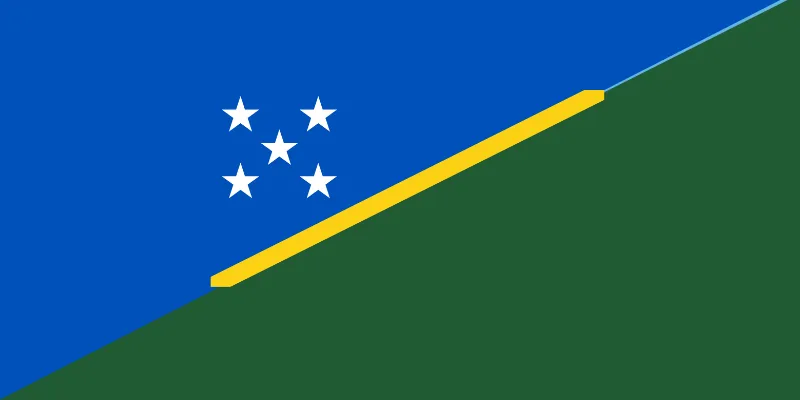
Explore the Life Moments of Solomon Islands |