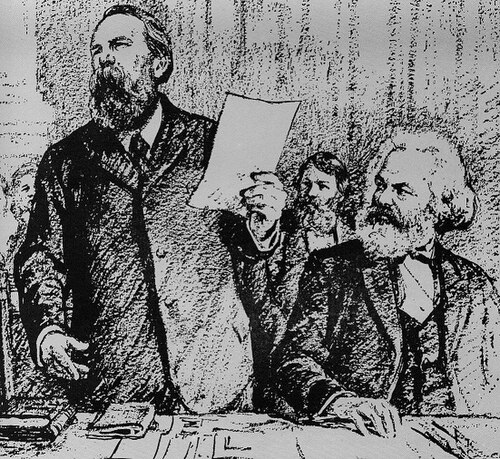
Split at the Hague Congress
Russia
Political History
Anarchism
Marxism
4 min read
Updated By: History Editorial Network (HEN)
Published:
Updated:
The Hague Congress marked a pivotal moment in the history of the International Workingmen's Association, highlighting the ideological rift between Marxists and Bakuninists. This conflict culminated in the expulsion of prominent anarchist figures Mikhail Bakunin and James Guillaume from the organization. The congress resulted in a significant shift in the association's leadership and direction, as the headquarters were relocated to New York, signaling a move towards a more centralized and Marxist-oriented structure. The expulsion of Bakunin and Guillaume was not merely a personal conflict but represented a broader ideological struggle over the future of the labor movement, with Marxists advocating for a centralized approach to revolution, while Bakuninists favored a decentralized, federalist model that emphasized individual autonomy and direct action.
In response to their expulsion, the federalist sections of the International convened the St. Imier Congress, where they established a new organization known as the Anarchist St. Imier International. This congress adopted a revolutionary anarchist program that sought to promote principles of mutual aid, voluntary association, and direct democracy. The formation of this new international body underscored the resilience of the anarchist movement and its commitment to opposing authoritarianism in all forms. The split at the Hague Congress not only reshaped the landscape of the labor movement but also laid the groundwork for future anarchist movements, influencing various social and political movements around the world.
#mooflife
#MomentOfLife
#HagueCongress
#Bakunin
#Marxism
#Anarchism
#St.ImierInternational

Explore the Life Moments of
 AI Twin