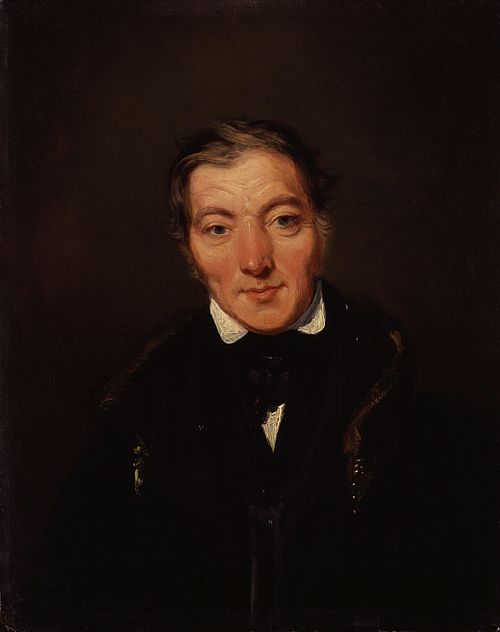
Robert Owen's New Harmony Experiment
Russia
Socialism
Utopian Communities
American History
4 min read
Updated By: History Editorial Network (HEN)
Published:
Updated:
Robert Owen's New Harmony Experiment was an ambitious attempt to create a socialist community in New Harmony, Indiana. Owen, a Welsh social reformer, along with his sons, initiated this experiment with the goal of establishing a society based on cooperative living and shared resources. The community implemented a unique economic system that eliminated money and traditional commodities, opting instead for 'labour tickets' that represented the number of hours worked by each individual. This system aimed to promote equality and ensure that all members contributed to the community based on their abilities and efforts. However, the community faced challenges from its diverse population, which included a mix of idealists, practical workers, and opportunists, leading to internal conflicts and a lack of cohesion among members.
Despite its initial promise, the larger New Harmony community struggled to maintain its structure and purpose. By the end of its existence, the community had fragmented into smaller groups, each attempting to pursue its own version of Owen's ideals. This subdivision ultimately resulted in the sale of parcels of land and property, marking a return to private ownership and traditional economic practices. The New Harmony Experiment serves as a historical example of the complexities and difficulties associated with implementing socialist principles in a communal setting, highlighting the challenges of achieving a unified vision among a diverse group of individuals.
#mooflife
#MomentOfLife
#RobertOwen
#NewHarmony
#Socialism
#CommunityExperiment
#LaborTickets

Explore the Life Moments of
 AI Twin