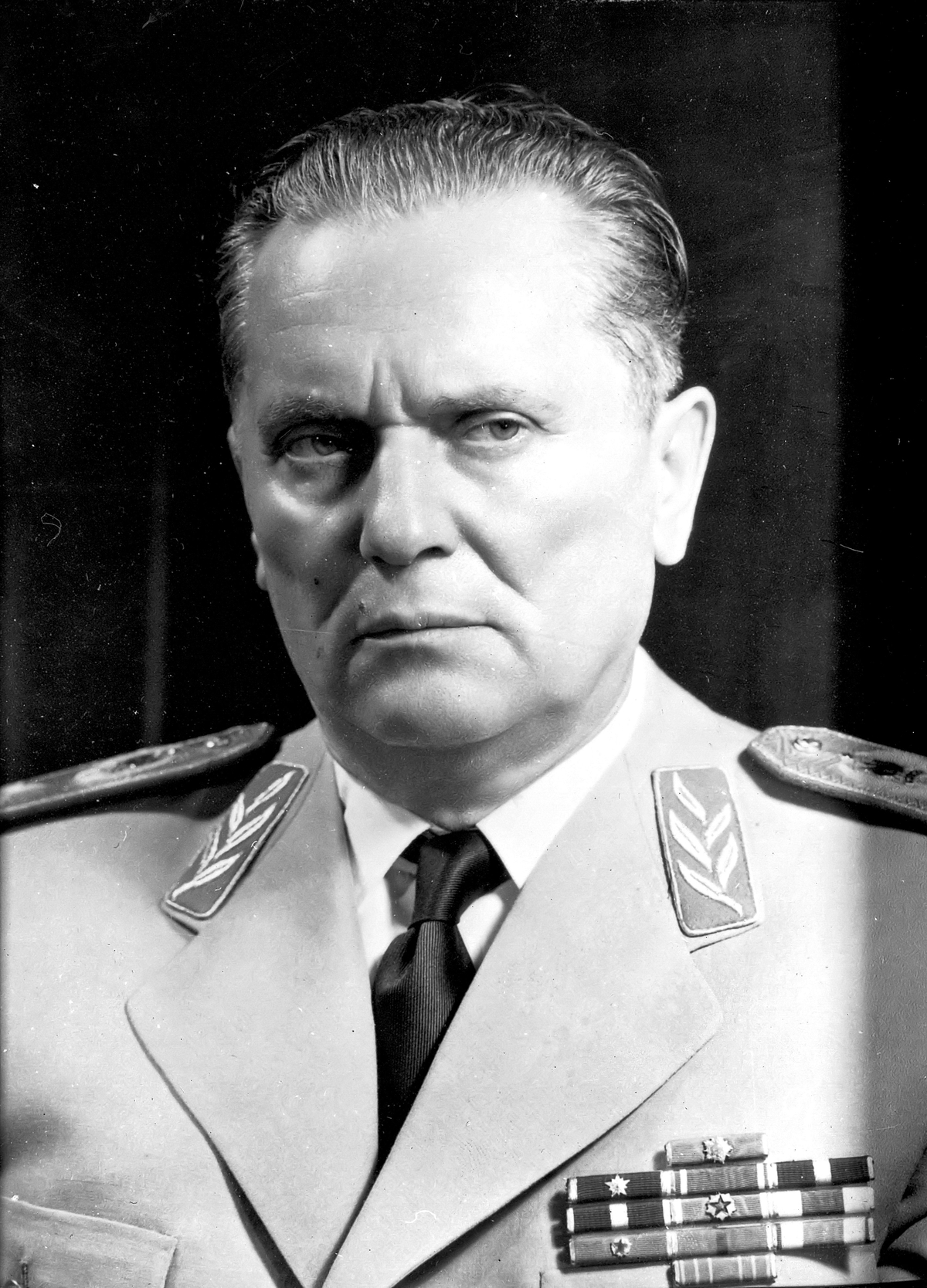
Marshal Tito Declares Socialist Federal Republic of Yugoslavia
Serbia

Political
Global Trade
6 min read
Updated By: History Editorial Network (HEN)
Published:
The establishment of the Socialist Federal Republic of Yugoslavia under the leadership of Marshal Tito marked a critical transition in the Balkan region's political landscape. Following a prolonged period of conflict and occupation during World War II, the former Kingdom of Yugoslavia had been fragmented and subjected to various occupying forces. The subsequent power vacuum created an opportunity for partisan leaders, particularly Tito and his resistance fighters, to gain political and military momentum.
Tito, a prominent figure in the anti-fascist resistance movement, capitalized on this opportunity by rallying forces across various ethnic groups within the Yugoslav territory. His ability to unify these disparate groups under a single nationalistic framework was pivotal in his rise to power. Having garnered substantial support and control, Tito declared the formation of the Socialist Federal Republic of Yugoslavia, positioning himself as the president.
The new federation comprised six republics: Bosnia and Herzegovina, Croatia, Macedonia, Montenegro, Serbia, and Slovenia, as well as two autonomous provinces within Serbia: Vojvodina and Kosovo. This configuration aimed to accommodate the diverse ethnicities within the region, promoting a sense of unity under socialist ideology.
The impact of this political reorganization was profound. The centralized federal structure instituted reforms across various sectors, including economy, education, and infrastructure. The nationalization of industry and collectivization of agriculture were prominent economic strategies. These policies aimed to enhance productivity and self-reliance, reducing regional disparities.
However, the centralized control also led to tensions. Ethnic and regional diversities, though acknowledged, were also sources of friction. Nonetheless, Tito's administration maintained a relatively stable governance framework, earning Yugoslavia a unique position between the Eastern bloc and Western powers during the Cold War period. Yugoslavia's non-alignment policy facilitated its diplomatic engagements globally, receiving economic aid and forging alliances that bolstered its development.
As president, Tito maintained power through a combination of charismatic leadership and strategic maneuvering, ensuring his vision for a socialist federation remained the guiding principle for the nation's trajectory. His legacy, however, is a complex tapestry of unity and underlying tensions that would eventually resurface in the latter part of the century.
#MoofLife #BalkanHistory #YugoslaviaFormation #SocialistRepublic #TitoLeadership #SerbiaHistory
Primary Reference
Josip Broz Tito - Wikipedia
Explore the Life Moments of
 AI Twin