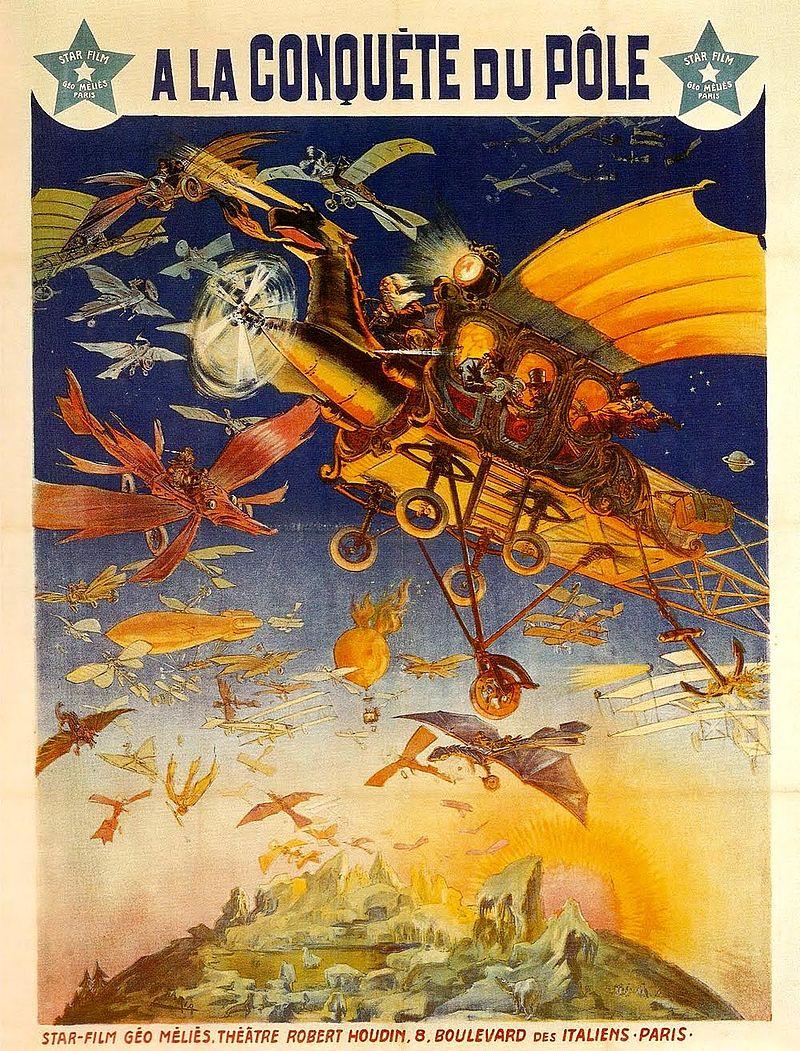
The Conquest of the Pole
Science Fiction
Film History
Exploration
4 min read
Updated By: History Editorial Network (HEN)
Published:
Updated:
The Conquest of the Pole is recognized as one of the earliest feature-length science fiction films, marking a pivotal moment in the evolution of cinema. This film, which runs for 97 minutes, was produced during a time when the genre was still in its infancy. The narrative centers around an expedition to the North Pole, showcasing the adventurous spirit and technological aspirations of the era. The film's production involved innovative techniques for its time, including special effects that contributed to the storytelling. Its release helped to establish science fiction as a viable genre in film, paving the way for future productions that would explore similar themes of exploration and human ingenuity. The film's impact can be seen in the way it inspired subsequent filmmakers to experiment with narrative structures and visual effects, ultimately influencing the development of the science fiction genre in cinema.
The Conquest of the Pole also reflects the cultural and scientific interests of its time, as the early 20th century was marked by a fascination with exploration and the unknown. The film's themes resonate with the public's curiosity about the polar regions, which were largely uncharted and represented the last frontiers of human exploration. As audiences engaged with the film, it sparked discussions about the possibilities of technology and the future of human endeavors. The film's legacy is evident in the continued popularity of science fiction, which has grown to encompass a wide range of narratives and styles. Today, The Conquest of the Pole is often studied for its historical significance and its role in shaping the landscape of modern cinema, serving as a reminder of the genre's roots and its potential to inspire imagination and innovation.
#mooflife
#MomentOfLife
#ScienceFiction
#EarlyCinema
#FilmHistory
#Exploration
#TheConquestOfThePole

Explore the Life Moments of
 AI Twin