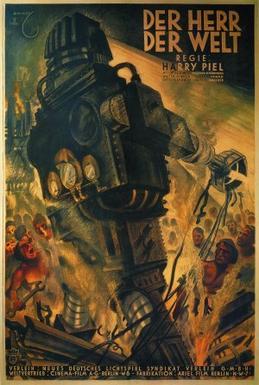
Master of the World
Film
Science Fiction
1930s Cinema
4 min read
Updated By: History Editorial Network (HEN)
Published:
Updated:
Master of the World is a science fiction film that emerged during a period marked by significant advancements in cinematic technology and storytelling. The film is based on the works of Jules Verne, specifically drawing from his novels "Robur the Conqueror" and "The Clipper of the Clouds." It features a narrative centered around a brilliant inventor, Robur, who creates a powerful flying machine called the Albatross. This machine symbolizes the technological aspirations of the era, reflecting the growing fascination with aviation and the potential for human innovation. The film's plot unfolds as Robur seeks to demonstrate the superiority of his invention, leading to conflicts with those who oppose his vision of a new world order. The film's production utilized innovative special effects for its time, showcasing the capabilities of early cinematic techniques to depict flight and adventure.
The impact of Master of the World can be seen in its contribution to the science fiction genre, which was gaining popularity in the 1930s. The film not only entertained audiences but also provoked thought about the implications of technological advancements and the ethical dilemmas associated with power and control. It served as a precursor to later science fiction films that would explore similar themes of innovation and its consequences. The film's legacy is reflected in its influence on subsequent adaptations of Verne's works and its role in shaping the narrative conventions of science fiction cinema. As a product of its time, Master of the World encapsulates the spirit of exploration and the complex relationship between humanity and technology, making it a notable entry in the history of film.
#mooflife
#MomentOfLife
#MasterOfTheWorld
#ScienceFictionFilm
#JulesVerne
#1930sCinema
#FilmHistory

Explore the Life Moments of
 AI Twin