Rollerball
Film
Fiction
Genre
4 min read
Updated By: History Editorial Network (HEN)
Published:
Updated:
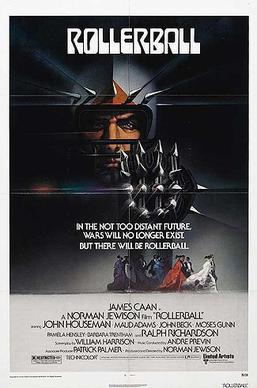
Rollerball is a notable film that exemplifies the fusion of sports and science fiction genres, emerging during a period marked by a surge in interest in speculative narratives. The film presents a dystopian future where corporations control society, and a violent sport called Rollerball serves as a means of entertainment and social control. The protagonist, Jonathan E., played by James Caan, is a star player who becomes increasingly aware of the oppressive nature of the corporate system that governs his life and the sport. This narrative reflects broader societal concerns about corporate power and individual autonomy, themes that resonate with audiences and critics alike. Rollerball's portrayal of a high-stakes, brutal sport raises questions about the nature of competition and the human spirit in a controlled environment, making it a significant entry in the science fiction genre.
The impact of Rollerball extends beyond its immediate narrative, influencing the portrayal of dystopian futures in cinema. The film's unique blend of action and philosophical inquiry paved the way for future science fiction works that explore similar themes. It contributed to the growing popularity of the genre during the 1970s, a time when films like Star Wars and Close Encounters of the Third Kind were also gaining traction. The success of these films led to a notable increase in science fiction productions, establishing a trend that would dominate the box office for years to come. Rollerball's legacy is evident in its continued relevance in discussions about media, sports, and societal structures, making it a critical reference point in the evolution of the science fiction genre.
#mooflife
#MomentOfLife
#Rollerball
#ScienceFiction
#SportsGenre
#DystopianFilm
#1970sCinema

Explore the Life Moments of
 AI Twin