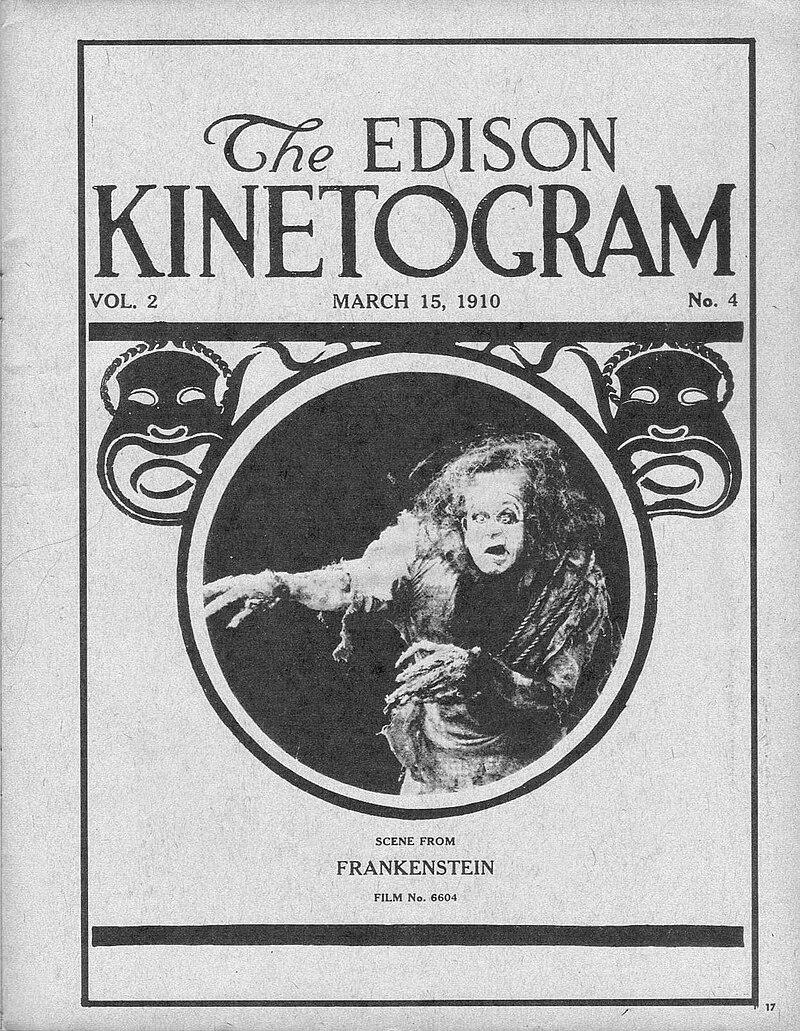
Frankenstein (1910 film)
Literature
Genres
Analysis
5 min read
Updated By: History Editorial Network (HEN)
Published:
Updated:
The exploration of genres in classic literature reveals the evolution and interconnection of various literary forms, particularly science fiction and horror. One of the earliest examples of this merging can be traced back to Mary Shelley's novel 'Frankenstein', which laid the groundwork for future narratives that blend these genres. The novel, published in the early 19th century, introduced themes of creation, the consequences of scientific exploration, and the moral dilemmas associated with playing God. These themes resonated with the anxieties of the time, particularly regarding the rapid advancements in science and technology. The impact of 'Frankenstein' extended beyond literature, influencing the film industry significantly. The release of the 1910 film adaptation of 'Frankenstein' marked a pivotal moment in cinematic history, showcasing early trick photography techniques to depict the story's fantastical elements. This film not only brought Shelley's narrative to a broader audience but also set a precedent for future adaptations and the blending of genres in film, particularly the intersection of science fiction and horror.
The merging of science fiction and horror genres has continued to evolve, with numerous works drawing inspiration from Shelley's foundational themes. The genre has expanded to include various sub-genres and styles, reflecting societal fears and technological advancements. For instance, the rise of cyberpunk and dystopian narratives in contemporary literature and film can be traced back to the foundational elements established in earlier works like 'Frankenstein'. The impact of these genres is evident in their ability to provoke thought and discussion about ethical implications of scientific progress, the nature of humanity, and the unknown. As audiences engage with these narratives, they are often prompted to reflect on their own relationship with technology and the moral responsibilities that accompany it. The legacy of classic literature, particularly in the realms of science fiction and horror, continues to shape modern storytelling, demonstrating the enduring relevance of these themes in contemporary culture.
#mooflife
#MomentOfLife
#ClassicLiterature
#ScienceFiction
#Horror
#Frankenstein
#LiteraryGenres

Explore the Life Moments of
 AI Twin