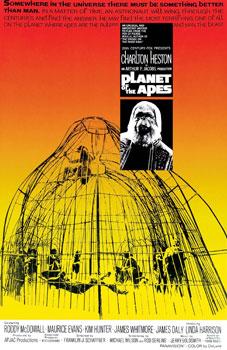
Planet of the Apes
Science Fiction
Film History
1960s Cinema
4 min read
Updated By: History Editorial Network (HEN)
Published:
Updated:
Planet of the Apes emerged as a pivotal science fiction film that reshaped the genre in the 1960s. The film, based on Pierre Boulle's novel, explores themes of evolution, societal structure, and the consequences of human actions. It presents a dystopian future where apes have evolved to become the dominant species, while humans are subjugated. This narrative not only captivated audiences but also sparked discussions about humanity's relationship with nature and the ethical implications of scientific advancements. The film's innovative makeup effects and storytelling techniques set a new standard for visual effects in cinema, influencing subsequent films in the genre. The success of Planet of the Apes led to a franchise that included sequels, television series, and reboots, solidifying its place in popular culture and film history.
The impact of Planet of the Apes extended beyond entertainment; it served as a cultural commentary on contemporary issues such as civil rights, environmentalism, and the potential consequences of nuclear war. The film's iconic imagery and memorable quotes have permeated popular culture, making it a reference point in discussions about science fiction and its role in reflecting societal fears and aspirations. The franchise has generated significant box office revenue and has maintained a dedicated fan base, demonstrating the enduring relevance of its themes. The original film's legacy continues to influence filmmakers and writers, showcasing the power of science fiction to provoke thought and inspire change.
#mooflife
#MomentOfLife
#PlanetOfTheApes
#ScienceFiction
#FilmHistory
#CulturalCommentary
#Franchise

Explore the Life Moments of
 AI Twin