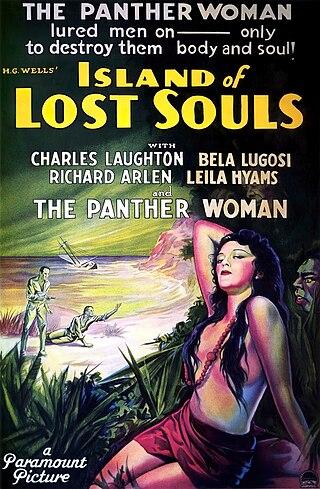
Island of Lost Souls
Science Fiction
Classic Film
Literature Adaptation
4 min read
Updated By: History Editorial Network (HEN)
Published:
Updated:
Island of Lost Souls is a science fiction film that draws its narrative from H.G. Wells' novel, The Island of Dr. Moreau. The film explores themes of ethics in scientific experimentation and the consequences of playing God, as it depicts the story of Dr. Moreau, a scientist who creates hybrid creatures by experimenting on animals. This adaptation is significant in the context of early 20th-century cinema, as it reflects the growing public interest in science and the moral dilemmas associated with scientific advancements. The film's portrayal of human-animal hybrids raises questions about identity, humanity, and the nature of civilization, which resonate with audiences even today. The film is noted for its innovative special effects and makeup, which were groundbreaking for its time, contributing to the horror genre's evolution in cinema.
The impact of Island of Lost Souls extends beyond its immediate reception; it has influenced numerous adaptations and interpretations of Wells' work, as well as the broader genre of science fiction and horror films. The film's exploration of the darker aspects of human nature and the potential for scientific overreach has been echoed in various media, prompting discussions about ethics in science that remain relevant. Its legacy is evident in the continued interest in themes of genetic manipulation and bioethics, which are increasingly pertinent in contemporary society. The film serves as a cultural artifact that encapsulates the anxieties of its time while also providing a lens through which to examine ongoing debates about the implications of scientific progress.
#mooflife
#MomentOfLife
#IslandOfLostSouls
#H.g.Wells
#ScienceFictionFilm
#EthicalDilemmas
#CinemaHistory

Explore the Life Moments of
 AI Twin