The Cabinet of Dr. Caligari
Film
Science Fiction
Classic Cinema
4 min read
Updated By: History Editorial Network (HEN)
Published:
Updated:
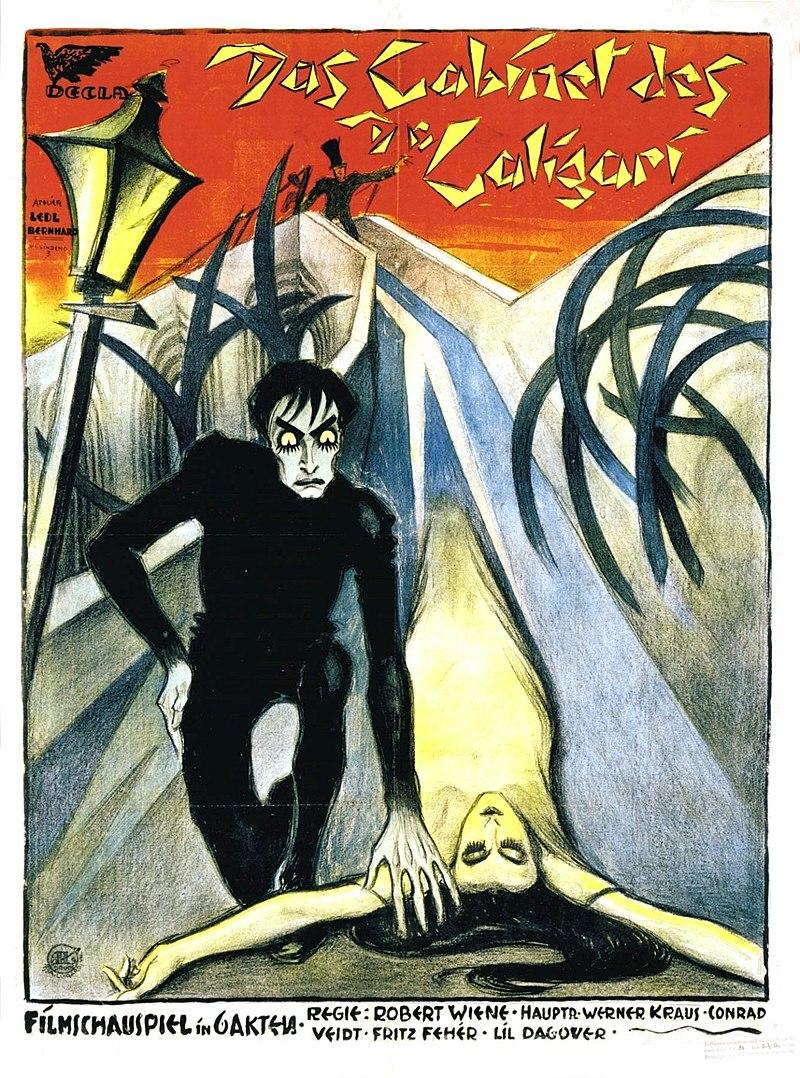
The Cabinet of Dr. Caligari is recognized as one of the earliest examples of the horror genre in cinema and a pivotal work in the development of German Expressionism. The film, directed by Robert Wiene, features a narrative that revolves around a mad doctor who uses a somnambulist to commit murders. Its unique visual style, characterized by distorted sets and stark lighting contrasts, reflects the psychological themes of madness and authority. The film's influence extends beyond its immediate impact, as it has inspired countless filmmakers and artists in various genres, establishing a template for psychological horror and the use of visual storytelling to convey complex themes. The Cabinet of Dr. Caligari is often cited in discussions about the evolution of film as an art form, particularly in how it utilizes visual elements to enhance narrative depth.
The film's release marked a turning point in the cinematic landscape, showcasing the potential of film to explore darker themes and complex characters. It was produced during a time of significant social and political upheaval in Germany, which is reflected in its themes of insanity and societal control. The Cabinet of Dr. Caligari has been analyzed for its commentary on the post-World War I German psyche, with its portrayal of authority figures and the fragility of reality resonating with audiences. The film's legacy is evident in its continued relevance in film studies and its influence on later works, including those in the horror and science fiction genres. Its innovative approach to set design and narrative structure has made it a subject of study in film schools worldwide, solidifying its status as a cornerstone of early cinema.
#mooflife
#MomentOfLife
#CabinetOfDr.Caligari
#GermanExpressionism
#HorrorFilm
#CinemaHistory
#PsychologicalThriller

Explore the Life Moments of
 AI Twin