King Kong
Film
Cinema
Entertainment
3 min read
Updated By: History Editorial Network (HEN)
Published:
Updated:
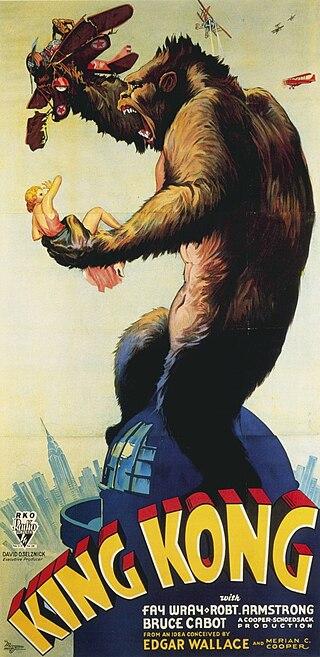
King Kong is a landmark film in the history of cinema, released in the early 1930s. It is widely recognized for its groundbreaking special effects and innovative storytelling. The film tells the story of a giant ape, King Kong, who is captured on a remote island and brought to New York City, where he ultimately escapes and climbs the Empire State Building. The narrative explores themes of beauty and the beast, as well as the consequences of human exploitation of nature. The film's production involved pioneering techniques in stop-motion animation, which were revolutionary at the time and set a new standard for visual effects in the film industry. King Kong's impact extended beyond its initial release, influencing countless filmmakers and spawning numerous remakes and adaptations over the decades. The character of King Kong has become a cultural icon, representing both the allure and danger of the unknown. The film's success also contributed to the popularity of the monster movie genre, paving the way for future films that would explore similar themes of humanity's relationship with nature and the consequences of hubris. King Kong remains a significant part of film history, often studied for its artistic and technical achievements, as well as its commentary on society's fears and fascinations.
#mooflife
#MomentOfLife
#KingKong
#FilmHistory
#SpecialEffects
#Cinema
#MonsterMovies

Explore the Life Moments of
 AI Twin