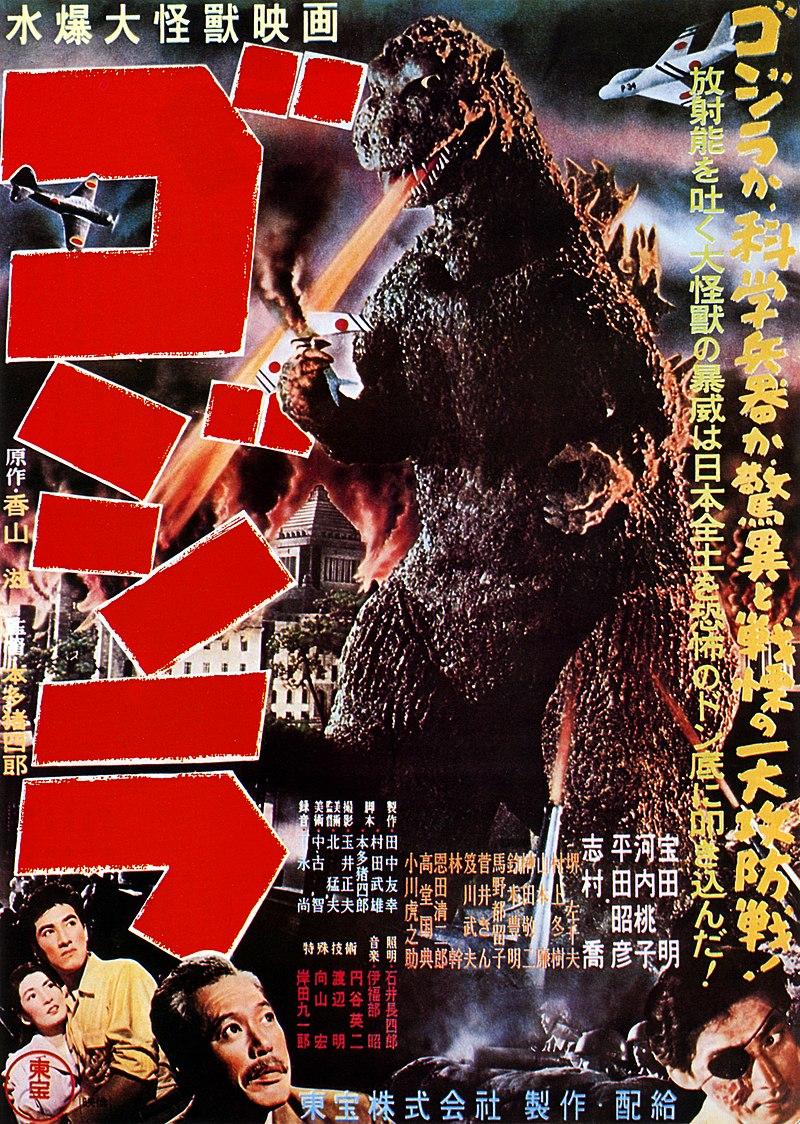
Godzilla
Film
Cinema
Cultural Impact
4 min read
Updated By: History Editorial Network (HEN)
Published:
Updated:
The release of Godzilla marked a pivotal moment in the landscape of cinema, particularly within the science fiction genre. The film, directed by Ishirō Honda and featuring groundbreaking special effects by Eiji Tsuburaya, depicted the iconic monster rampaging through Tokyo. This portrayal resonated with audiences, reflecting societal anxieties and the impact of nuclear warfare, which was particularly relevant in Japan following World War II. Godzilla's immense popularity led to the creation of numerous sequels and inspired a wave of kaiju films, establishing a new subgenre in Japanese cinema. The character of Godzilla became a cultural icon, representing not only the fears of destruction but also the resilience of humanity in the face of overwhelming odds. The film's success laid the groundwork for a franchise that would span decades, influencing filmmakers and audiences worldwide.
The impact of Godzilla extended beyond its immediate box office success. It introduced innovative special effects techniques that would shape the future of monster films. The film's unique blend of horror, science fiction, and social commentary set a precedent for future cinematic works. Godzilla's legacy is evident in the continued production of films featuring giant monsters, both in Japan and internationally. The franchise has expanded to include animated series, video games, and merchandise, solidifying Godzilla's status as one of the most recognizable figures in popular culture. The character has also been reimagined in various forms, appealing to new generations of fans while maintaining its core themes of destruction and survival. Overall, Godzilla's influence on cinema is profound, marking a shift in how monsters are portrayed and understood in film narratives.
#mooflife
#MomentOfLife
#Godzilla
#KaijuFilms
#CinemaHistory
#ScienceFiction
#SpecialEffects

Explore the Life Moments of
 AI Twin