Earth vs. the Flying Saucers
Science Fiction
Film History
Special Effects
4 min read
Updated By: History Editorial Network (HEN)
Published:
Updated:
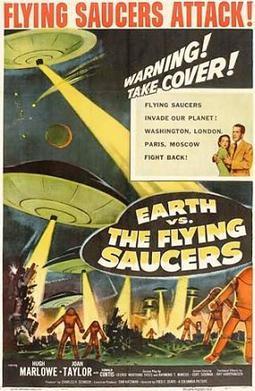
Earth vs. the Flying Saucers is a notable science fiction film that emerged during a period marked by a growing fascination with extraterrestrial life and the potential for interplanetary conflict. The film is recognized for its innovative special effects, crafted by Ray Harryhausen, who was known for his pioneering work in stop-motion animation. This film contributed to the genre of science fiction cinema, which was gaining popularity in the mid-20th century, particularly in the United States. The narrative revolves around an alien invasion, reflecting societal anxieties about the unknown and the technological advancements of the time. The film's portrayal of flying saucers and alien beings tapped into the public's imagination, influenced by the post-war context and the onset of the space race.
The impact of Earth vs. the Flying Saucers can be seen in its influence on subsequent science fiction films and the broader cultural landscape. It helped to establish certain tropes within the genre, such as the depiction of aliens as both a threat and a source of intrigue. The film's success also contributed to the popularity of kaiju films, particularly those produced by Japanese studio Toho, which featured giant monsters and often included themes of destruction and humanity's struggle against overwhelming forces. The legacy of Earth vs. the Flying Saucers is evident in its continued relevance in discussions about science fiction and its role in shaping public perceptions of space exploration and extraterrestrial life.
#mooflife
#MomentOfLife
#EarthVs.TheFlyingSaucers
#ScienceFictionFilm
#RayHarryhausen
#AlienInvasion
#KaijuFilms

Explore the Life Moments of
 AI Twin